
Pregnancy month by month: Live each month to the fullest!
Pregnancy is a journey that makes every moment special and unforgettable. Recognizing the changes in your body and soul in each month of this journey makes the pregnancy process more meaningful. On the “month by month pregnancy” journey, knowing what awaits you each month allows you to prepare for this process both physically and emotionally.
From the first day of pregnancy, every change you and your baby experience carries clues about your future motherhood. Learning step by step about the changes that occur in your body during your pregnancy adventure, the developmental stages of your baby and how to spend this process in the healthiest way will bring you closer to this process. Now, let’s take a look at what you will experience from the first month of your pregnancy.
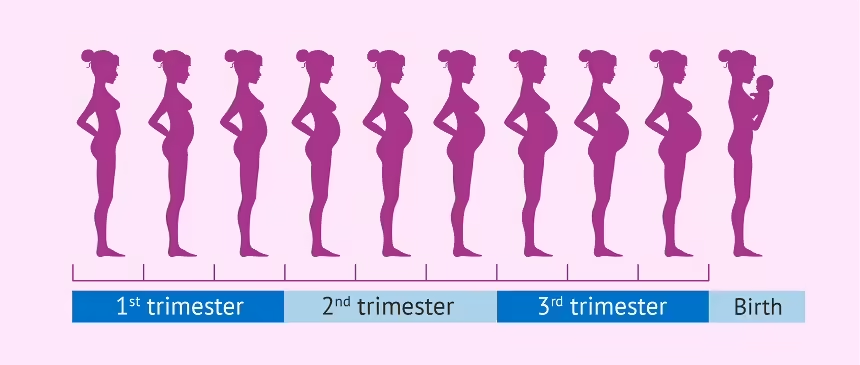
Month by Month Pregnancy: Month 1: A New Life Begins
In the first month of your pregnancy, maybe you don’t even know you’re pregnant yet. During this period when a new life begins in your body, your baby’s first cells begin to divide and develop rapidly, even if you do not feel major changes yet. Here’s what you can expect in the first month of your pregnancy and what to look out for:
Your Baby’s Development
In the first month of pregnancy, the fertilized egg settles in the wall of the uterus, where it begins to develop by dividing rapidly. During this period, the embryo is only a few millimeters in size, and the basic structures of its organs begin to form. Your baby’s heartbeat becomes audible around the fifth week of pregnancy, but it’s too small to be seen on an ultrasound yet.
Changes in Your Body
In the first month of pregnancy, many women may not yet notice a significant change. However, a major hormonal change begins in your body. These hormones can cause both physical and emotional fluctuations. Delayed menstruation is the most obvious sign of pregnancy symptoms, but fatigue, tender breasts and mild nausea can also occur during this period.
Considerations
When you find out that you are pregnant, it is important to take some precautions immediately for a healthy pregnancy process. First, you need to start folic acid supplementation. This vitamin is critical for your baby’s brain and spine development. In addition, you should avoid smoking, alcohol and harmful substances, and create a healthy eating plan.
Take Care of Yourself
During this period, take care of yourself so that you don’t get lost in the excitement and uncertainty of pregnancy. Take the time to accept this new process and understand the changes in your body. In addition, you can start your pregnancy follow-up by meeting with an obstetrician and have your first check-ups.
Month 2: First Signs and Rapid Development of Your Baby
As you step into the second month of your pregnancy, big changes begin to occur in your body and in your baby. This period can be one of the most exciting and also one of the most challenging months of pregnancy. Although it is not yet obvious from the outside, you will begin to feel more intensely that a new life is taking shape in your body. Here’s what to expect in the second month:
Your Baby’s Development
In this month, the embryo grows rapidly, receiving the name of a fetus. Your baby’s heart may be beating about 150 times per minute, which is almost twice as fast as an adult human. The foundations of your baby’s brain, spine, nervous system, and other organs develop rapidly during this month. In addition, hand and foot buds begin to form, which is the first step for your baby’s future hands and feet.
Changes in Your Body
In the second month, the signs of pregnancy become more pronounced. Nausea, especially nausea felt in the morning, is common during this period and is called “morning sickness”. In addition, you may notice tenderness and growth in your breasts, and you may start to feel tiredall the time. Hormonal changes can also cause emotional fluctuations , which can sometimes lead to you crying for no reason or feeling overly happy.
Nutrition and Health
It is extremely important to pay attention to your diet during this period. Although you may have to avoid certain foods due to nausea, following a balanced and healthy diet is essential for the healthy development of your baby. You should continue to take folic acid and regularly use other vitamins and mineralsrecommended by your doctor. Also, you should not forget to drink plenty of water; Because your body needs extra fluid during this period.
Doctor’s Checks
In the second month, it is important to have your first doctor’s check-up. During this check-up, you can hear your baby’s heartbeat with ultrasound and get information about the progress of your pregnancy. Your doctor will guide you to make sure that your pregnancy continues in a healthy way by performing the necessary tests.
Listen to Yourself
During this month, remember that your body and mind are in the process of adjusting to pregnancy. Rest when you feel tired, ask for support when you need it. Knowing that all the emotions you feel and the changes you experience during this period are normal allows you to spend your pregnancy process more comfortably.
Month 3: Nearing the End of the First Trimester
In the third month of your pregnancy, you are approaching the end of the first trimester. This month marks the end of one of the most challenging periods of pregnancy for many women. Fatigue, nausea, and emotional fluctuations experienced during the first trimester usually begin to subside by the end of the third month. Here’s what awaits you this month:
Your Baby’s Development
By the third month, your baby continues to grow rapidly and is now called a fetus. During this period, your baby reaches a length of about 7-10 cm and weighs around 20-30 grams. Your baby’s facial features begin to become clear; The eyes, nose and ears begin to take their place. While the internal organs are rapidly developing, the liver, kidneys, brain and lungs are preparing to perform their functions. Also, the sex of your baby is determined during this period, but you may have to wait a few more weeks to find out.
Changes in Your Body
In the third month, you may experience emotional fluctuations, as hormone levels are still high. However, towards the end of this month, nausea may subside and your energy levels may begin to increase. Weight gain becomes more noticeable during this period, but it may not be noticeable that you are still pregnant from the outside. Also, changes in your skin (shine, blemishes) may become more pronounced.
Considerations
In the third month, it is important to continue to follow a healthy diet and folic acid intake. In addition, you should regularly use the vitamins and minerals recommended by your doctor. You can continue to exercise, but you should act in accordance with your doctor’s recommendations. Staying away from stress and getting plenty of rest will also make you feel better during this period.
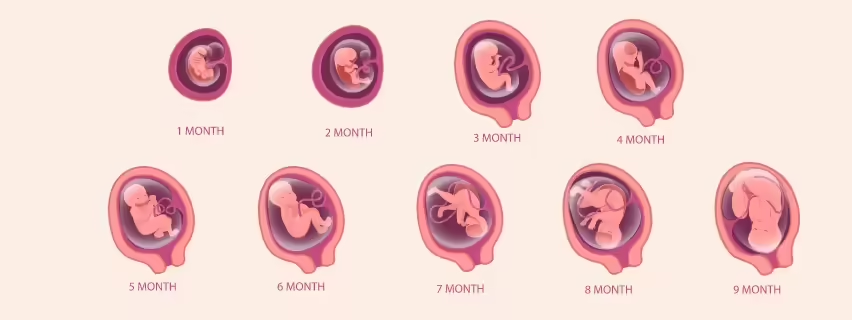
Month 4: Welcome to the Second Trimester
With the fourth month, you say hello to the second trimester. This period is the most comfortable and enjoyable period of pregnancy for many expectant mothers. A process begins in which your energy level increases, nausea decreases and you can enjoy pregnancy more.
Your Baby’s Development
In the fourth month, your baby continues to grow rapidly, reaching a length of about 15 cm and a weight of 100-120 grams by the end of this period. It’s possible that you’ll start to feel your baby’s movements, but usually in the form of gentle vibrations. Your baby’s muscles get stronger, his bones get harder, and you can find out the sex of your baby with the help of ultrasound in this month. Your baby’s face becomes more prominent, fingerprints begin to form, and vocal cords develop.
Changes in Your Body
In the fourth month, you begin to feel more energetic and balanced as the pregnancy hormones settle into balance. Your abdominal area begins to become evident and it becomes noticeable from the outside that you are pregnant. Your uterus continues to grow, which means you may experience mild groin painor lower back pain. Changes in your skin may continue, it is important to take good care of your skin during this period.
Considerations
In the fourth month, you should continue regular doctor check-ups and maintain your healthy eating habits. During this period, when you may start to feel your baby’s movements, it is important to follow these movements. Also, you can start wearing comfortable clothes and pay attention to your sleeping positions. Sleeping on your left side increases blood circulation, allowing more oxygen to go to your baby.
Take Time for Yourself
During this period, you can take more time to focus on yourself and your baby. Relaxing activities such as yoga, meditation or light walks will be beneficial for both you and your baby’s health. At the same time, you can start thinking about your birth plans and learning about it.
Month 5: You Start Enjoying Pregnancy
The fifth month is a period when you are approaching the middle of your pregnancy and you feel many changes more clearly. This month, you can begin to enjoy pregnancy, both physically and emotionally. Now you will feel your baby’s movements more often and experience your pregnancy more visibly.
Your Baby’s Development
By the fifth month, your baby continues to grow rapidly, reaching a length of about 25 cm and a weight of 300-400 grams. Your baby’s bones and muscles are getting stronger, his skin is starting to develop, but it’s still thin and transparent. During this period, your baby’s eyebrows and eyelashes are formed and their hair begins to grow. In addition, your baby’s inner ear structures also develop during this month, which means that your baby can now begin to hear sounds. Your baby’s heartbeat can be heard with a stethoscope during this period.
Changes in Your Body
By the fifth month, your pregnancy is now distinctly noticeable from the outside. Your abdomen may have grown well and your uterus may have protruded above your belly button. You will begin to feel your baby’s movementsmore strongly and frequently. During this period, your appetite may increase and your weight gain may accelerate. In addition, you may experience more pregnancy symptoms such as lower back pain, leg cramps, and bloating. Pigmentation (blemishes) may occur on your skin due to hormonal changes.
Considerations
In the fifth month, you should continue your doctor’s check-ups regularly. In these check-ups, you can get information about your baby’s development and general health. Continuing to follow a balanced diet is important for the healthy development of your baby. Take care to consume foods rich in iron, calcium and omega-3 fatty acids . Also, you should continue to drink plenty of water, paying attention to your fluid intake. During this period, it is also important to choose comfortable clothes and shoes.
Bonding with the Baby
During this month, feeling your baby’s movements is a great opportunity for you to bond with him. You can play music to your baby, talk to him, and even communicate with him by gently touching your belly. Your baby may begin to recognize your voice, so talking to him will make him feel more familiar to you when he is born.
Month 6: Towards the end of the second trimester
The sixth month is known as one of the most comfortable and enjoyable periods of your pregnancy. Now you can feel many things about your baby more clearly and start to experience your pregnancy in an even more enjoyable way. This month is a time when you are nearing the end of the second trimester and you are on the doorstep of the third trimester.
Your Baby’s Development
By the sixth month, your baby continues to grow rapidly, reaching a length of about 30 cm and a weight of 600-700 grams. Your baby’s skin is still thin and transparent, but it starts to look fuller as fat stores begin to build up. During this period, your baby’s lungs continue to develop, but they are still immature for postpartum. Your baby’s taste buds are formed, which means he can taste amniotic fluid. Also, during this month, your baby’s sleep and wake cycles begin to develop, which can cause him to be more active at certain times.
Changes in Your Body
By the sixth month, your abdomen will get bigger and your pregnancy will become more pronounced. You may begin to feel your baby’s movements much more clearly and often. During this period, you may experience heartburn, constipation , and back pain due to the growth of your uterus. In addition, swelling may occur in your legs and feet due to increased blood circulation. Stretch marks can form on your skin, so using a moisturizer can help your skin maintain its elasticity.
Considerations
In the sixth month, you should continue to have regular check-ups with your doctor. In these check-ups, you can get important information about your baby’s development and general health. You should continue to pay attention to your diet, especially your iron and calcium intake. You can continue to exercise, but you should avoid heavy activities. During this period, you should continue to drink plenty of water by paying attention to your fluid intake. Additionally, it’s important to find comfortable sleeping positions and maintain your sleep patterns.
Preparing for childbirth
This month, you may want to consider starting the birth preparation process slowly. Attending childbirth classes can be a good time to create your birth plan and start packing your hospital bag. You can also start organizing your baby’s room and picking up any baby items you may need.
Month 7: Beginning of the Third Trimester
As you step into the seventh month of your pregnancy, you are now at the beginning of the third trimester. This is a time when preparations for birth begin and your baby grows rapidly. As the excitement builds, you may also experience new symptoms and changes. Here’s what to expect in the seventh month:
Your Baby’s Development
By the seventh month, your baby’s height may be about 35-38 cm and the weight may be between 1-1.5 kg. Your baby’s skin begins to look fuller during this period, as fat storage in his body accelerates. Brain development accelerates during this month, and your baby’s brain folds become more pronounced. Your baby’s lungs are still developing, but they are still immature for the postpartum period. During this period, your baby’s eyes may open and begin to react to light.
Changes in Your Body
In the seventh month, your uterus continues to grow, which can lead to increased symptoms such as heartburn, indigestion, constipation, and back pain. Your baby’s movements become stronger and more pronounced. You may also experience irregular and often painless contractions, known as Braxton Hicks contractions; These contractions help your uterus prepare for childbirth. You may notice swelling on your feet, hands, and face. Stretch marks on your skin may also become more noticeable during this period.
Considerations
In the seventh month, you should continue to have regular check-ups with your doctor. It is important to have your blood pressure checked during this period, as there is a risk that complications such as preeclampsia will occur during this period. You should pay attention to your diet and consume foods rich in protein and iron. You should pay attention to your water intake and drink plenty of fluids. During this period, it is important to wear comfortable and supportive shoes. You should pay attention to your sleeping position and take care to sleep on your left side.
Preparing for childbirth
The seventh month is a time when you need to start preparing for birth in earnest. You can attend childbirth classes, create your birth plan, and start packing your hospital bag. You can continue to organize your baby’s room and complete any baby items you may need.
8th Month: Birth Is Approaching
The eighth month is a period in which birth is getting closer and closer. This month can be a busy time, both physically and emotionally. As your baby continues to grow rapidly, your body begins to prepare for birth.
Your Baby’s Development
By the eighth month, your baby can reach a length of about 40-45 cm and a weight of 2-2.5 kg. Your baby’s brain and nervous system are developing rapidly, while the lungs are nearing completion of the maturation process for the postpartum. Your baby’s skin becomes smoother and the hair on his body (lanugo) begins to fall out. During this period, your baby’s head may turn downward, which is a sign that he has taken the birth position. Your baby’s movements may become more limited because space in the womb has begun to shrink.
Changes in Your Body
In the eighth month, your body continues to prepare for childbirth. As your uterus grows, you may experience symptoms such as heartburn, shortness of breath, back pain, and frequent urination . During this period , Braxton Hick’scontractions may become more frequent and strong. Your sleep patterns may be disrupted and you may wake up more often. Swelling in your legs and feet may persist, so it’s important to get plenty of rest.
Considerations
In the eighth month, you should increase the frequency of your doctor’s check-ups. It’s important to have your baby’s position and health checked. During this period, it is important to monitor your weight gain and maintain a balanced diet. You should pay attention to your intake of iron, calcium and omega-3 and continue to drink plenty of water. Also, you can do exercises to strengthen your pelvic floor muscles, this will help you during childbirth.
Birth Plan and Preparations
You should clarify your birth plan and review all your birth options. You can complete your hospital bagand make the final preparations for the hospital where you will give birth. You should have prepared your baby’s room and all the items you may need. You can also review your plans for the postpartum period.
Month 9: Birth is at the Door
The ninth month is a period when birth is now very close. This month can be both exciting and a little worrying. As your baby makes its final preparations for birth, it’s important that you’re fully prepared for the birth.
Your Baby’s Development
By the ninth month, your baby can reach a length of about 50 cm and a weight of 3-3.5 kg. Your baby’s lungs are fully developed and ready for birth. Your baby’s skin becomes thicker and smoother, and the fat storage in his body is completed. Your baby’s head may be located in the birth canal and his movements will become more limited. However, you can still move and feel these movements in the uterus.
Changes in Your Body
By the ninth month, your uterus has reached its maximum size, which can make you quite uncomfortable. Frequent urination, heartburn, shortness of breath and low back pain are common symptoms during this period. Braxton Hicks contractions can become stronger and can be confused with true labor contractions. Signs that labor is approaching include getting your water, regular contractions, and an increase in vaginal discharge.
Considerations
In the ninth month, you should carefully monitor the signs of labor and contact your doctor if you notice any symptoms. You should continue to pay attention to your diet and drink plenty of fluids. Finding comfortable sleeping positions can be challenging, but sleeping on your left side would still be the best option. You should also keep in touch with the people who will support you during the birth and share your birth plan with them.
Final Preparations Before Birth
This month, you should complete your final prenatal preparations. You should have your hospital bag, your baby’s belongings, and your postpartum needs ready. You can also create a pattern that will help you after the birth. Having information about childbirth and learning how to manage this process will help the birth go more smoothly.