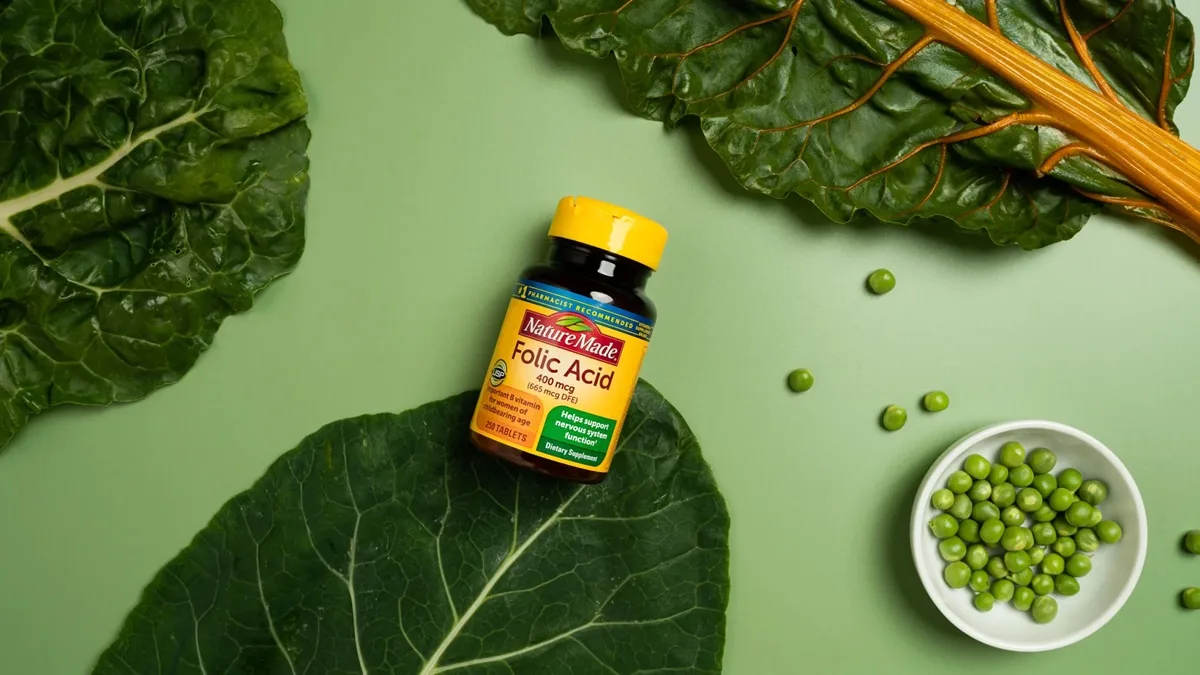
Use of Folic Acid During Pregnancy
Pregnancy is one of the most special periods in every mother’s life. However, in order for this period to pass healthily, peacefully and without problems, the mother must take some important vitamins and minerals in sufficient amounts. This is where the concept of “folic acid use during pregnancy” comes into play. So, what is folic acid and why is it so important during pregnancy? You can find answers to these questions in this article.
What Is Folic Acid During Pregnancy and Why Is It Vital?
Folic acid is a type of water-soluble B vitamin and is also known as vitamin B9. Its name is derived from the Latin word “folium”, which means “leaf”, because it was first isolated from green leafy vegetables. Folic acid has a number of important functions in the body, so it is vital to have an adequate intake of it, both during pregnancy and in our daily lives.
- Cell Production and Repair: Folic acid plays a key role in the body’s cell production and repair. It is a critical component in cell division and growth by aiding in the formation of DNA and RNA.
- Amino Acid Metabolism: Amino acids are the building blocks of proteins, and folic acid is effective in the metabolism of these molecules.
- Hemoglobin Formation: Folic acid also has a critical role in the production of hemoglobin, which aids in the formation of red blood cells. This is a factor that affects the body’s oxygen-carrying capacity.
- Supporting the Nervous System: It is also important for maintaining brain function and the health of the nervous system.
Adequate folic acid intake can be achieved through many vegetables, fruits, legumes, whole grain products, and supplements. However, the body cannot use folic acid directly. The ingested folic acid is converted into the active form of “tetrahydrofolate” (THF). This transformation is necessary to carry out various metabolic processes in the body.

The Importance of Using Folic Acid During Pregnancy
Pregnancy is a critical period for maternal and infant health. Proper nutrition and intake of vitamins play a huge role in the development of the fetus. In this context, the importance of folic acid is particularly emphasized. Here are some details on why the use of folic acid during pregnancy is so critical:
- Prevention of Neural Tube Defects:
- The neural tube develops in the first weeks of the embryo and forms the baby’s brain, spinal cord, skull, and spinal bones.
- Inadequate folic acid intake can lead to neural tube defects (NTDs). These include serious congenital disorders such as spina bifida (incomplete closure of the spine) and anencephaly (failure to develop a large part of the brain).
- Studies show that adequate folic acid intake in the first few weeks of pregnancy can reduce the risk of NTDs by 50-70%.
- Cellular Development and DNA Synthesis:
- Folic acid is a critical vitamin for cellular division and DNA synthesis.
- Since the fetus has cells that divide rapidly in the early stages of pregnancy, adequate folic acid intake is vital during this period.
- Reducing the Risk of Prematurity and Low Birth Weight:
- Inadequate folic acid intake can increase the risk of prematurity (premature birth).
- Likewise, inadequate folic acid intake can increase the risk of low birth weight.
- Supporting Maternal Health:
- Folic acid is involved in the production of red blood cells. Therefore, adequate folic acid intake can reduce the risk of anemia .
- Adequate folic acid intake during pregnancy can increase the mother’s energy levels and reduce fatigue.
How Should Folic Acid Be Used During Pregnancy?
Folic acid intake during pregnancy is extremely important for the healthy development of the fetus. Therefore, it is necessary to ensure adequate folic acid intake before, during pregnancy and even during breastfeeding.
Daily Amount of Folic Acid:
- Before Pregnancy: It is recommended that women take at least 400 micrograms (mcg) of folic acid per day 1 month before pregnancy and during the first 3 months of pregnancy. This can help reduce the risk of neural tube defects.
- During pregnancy:
- First Trimester (1-3 months): During the first three months, 400-600 mcg of folic acid intake per day is recommended. However, this amount may be higher for women with a previous history of neural tube defects.
- Second Trimester (4-6 months): During this period, taking into account that the fetus is growing rapidly and its organs are developing, an intake of 600 mcg of folic acid per day is recommended.
- Third Trimester (7-9 months): During this period, an intake of 600-800 mcg of folic acid per day is recommended. In the third trimester, the development of the fetus continues and folic acid plays a major role in brain development.
- During lactation: The daily requirement of folic acid for nursing mothers is about 500 mcg per day. This can help the mother maintain her own health and provide the baby with adequate nutrients.
Folic acid is naturally found in many foods. These include green leafy vegetables, orange juice, legumes, whole grains, and some grain products. However, many women may find it difficult to get enough folic acid through their diet. Therefore, it is often recommended to take folic acid supplements with a doctor’s recommendation.
Note: These recommendations regarding the intake of folic acid during pregnancy are general. The recommendations of a healthcare professional should be followed, taking into account individual needs and risks.
What are the risks of taking too much folic acid during pregnancy?
While the importance of folic acid intake during pregnancy is often emphasized, it is also important to know the potential risks of taking too much folic acid. Although folic acid is generally considered a non-toxic vitamin, some negative effects can occur when taken in excessive amounts:
- Masking Vitamin B12 Deficiency:
- Excessive amounts of folic acid can mask the symptoms of vitamin B12 deficiency. B12 deficiency can cause nervous system damage and can be permanent if left untreated. Folic acid may relieve the anemia symptoms of B12 deficiency, but it does not prevent nerve damage.
- Increased Risk of Neural Tube Defects:
- Some studies show that excessive folic acid intake may increase the risk of neural tube defects in some cases. However, the results of studies on this subject are mixed, and more research is needed.
- Hyperarousal:
- Very high doses of folic acid can cause symptoms of overstimulation in the nervous system in some people. This can include symptoms such as insomnia, irritability, and stomach problems.
- Hormonal Changes:
- Excessive intake of folic acid can cause changes in hormone levels. This can increase the risk of breast cancer, especially in postmenopausal women.
- Low Birth Weight:
- Some studies show that high folic acid intake may increase the risk of low birth weight.
- Weakening of the Immune System:
- Excessive folic acid intake can lead to a weakening of the immune system in some people.
- More epileptic seizures:
- Excessive folic acid intake in patients with epilepsy may increase the frequency of epileptic seizures.
In conclusion, getting the right amount of folic acid is vital for the healthy development of the fetus during pregnancy. However, it is also important to know the potential risks of folic acid taken in excess and to take precautions against these risks. Therefore, it is best to seek the advice of a healthcare professional before taking folic acid supplements during pregnancy.
Foods rich in folic acid
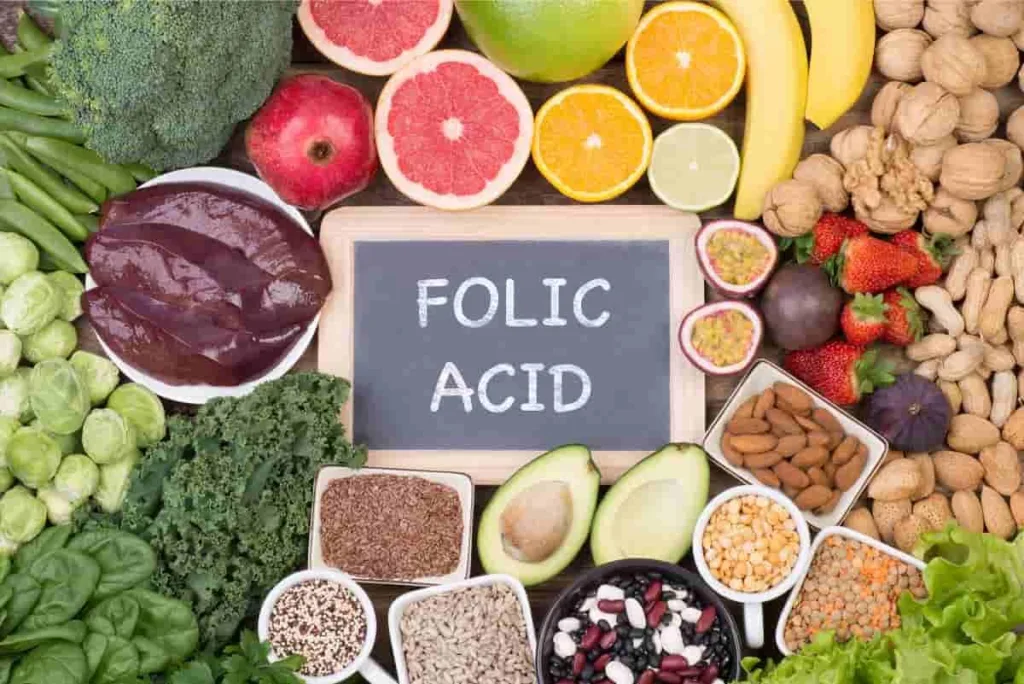
Folic acid is found in many natural foods. Here are the amounts of folic acid in some foods:
- Green Leafy Vegetables:
- Spinach (half a cup cooked): 130–140 mcg
- Brussels sprouts (half a cup cooked): 80 mcg
- Arugula (1 cup fresh): 85 mcg
- Fruits:
- Orange juice (1 cup): 110 mcg
- Papaya (medium): 115 mcg
- Bananas (medium): 20 mcg
- Legumes:
- Lentils (half a cup cooked): 180 mcg
- Peas (half a cup cooked): 25 mcg
- No-hut (half a cup cooked): 140 mcg
- Whole Grains:
- Spaghetti (half a cup cooked, whole wheat): 85 mcg
- Brown rice (half a cup cooked): 4 mcg
- Oatmeal (1 cup cooked): 60 mcg
- Other Vegetables:
- Broccoli (half a cup cooked): 52 mcg
- Corn (half a cup): 60 mcg
- Peas (half a cup cooked): 47 mcg
- Nuts and Seeds:
- Sunflower seeds (30 g): 80 mcg
- Almonds (30 g): 20 mcg
- Animal Products:
- Egg yolk (1 piece): 25 mcg
- Beef liver (85g cooked): 215 mcg
- Milk (1 cup): 12 mcg
- Grain Products:
- Most breakfast cereals (1 serving): 100–400 mcg (varies depending on product)
These amounts may vary depending on different sources and cooking methods. However, you can use this list as a guide to include foods rich in folic acid.
Things to Consider When Taking Folic Acid Supplements During Pregnancy
Here are some important points to consider when taking folic acid supplements during pregnancy:
- Dosage: An intake of 400–800 mcg of folic acid per day is the recommended amount for most women. But follow your doctor’s recommendation for your individual needs.
- Vitamin B12 Deficiency: High amounts of folic acid can mask the symptoms of vitamin B12 deficiency. If you follow a vegan or vegetarian diet, or if you have a decrease in stomach acid, you may be at risk of B12 deficiency.
- Drug Interactions: Some medications can inhibit the absorption of folic acid or reduce its effect. For example; antiepileptic drugs, drugs such as methotrexate. Therefore, tell your doctor about your other medications while taking folic acid supplements.
- Storage: Store folic acid supplements in a cool, dry place away from direct sunlight. High temperature and humidity can reduce the effectiveness of reinforcement.
- Date Check: Check the expiration date of folic acid supplements. The effectiveness of expired supplements may decrease.
- Natural vs. Synthetic: Supplements often contain folic acid, which is the synthetic form of folate. But some people are unable to metabolize this form effectively. In this case, the use of methylfolate, which is the active form, may be recommended.
- Other Contents: Folic acid supplements sometimes come with iron, calcium, or other vitamins. If you are pregnant or planning to become pregnant, check to see if these additional ingredients are right for you.
- Alcohol: Alcohol can reduce the absorption of folic acid. Therefore, avoid excessive alcohol consumption while taking folic acid supplements.
- Total Amount Per Day: If you are also taking other multivitamins or nutritional supplements, check the total amount of folic acid so that you are not exceeding the recommended dose.
- Doctor’s Recommendation: Be sure to contact your doctor before taking folic acid supplements or if you notice any side effects while taking them.
Folic acid intake during pregnancy is very important for maternal and infant health. However, it is also of great importance to take the right amount and be mindful of potential risks.
Frequently Asked Questions About Folic Acid During Pregnancy
How long should I take folic acid supplements before pregnancy?
It is recommended to take 400 mcg of folic acid supplements per day for at least 1 month before pregnancy. If you are planning to become pregnant, you can start earlier with your doctor’s recommendation.
Should folic acid be taken from natural foods or supplements?
Both natural foods and supplements can be effective as a source of folic acid. However, many women don’t get enough folic acid through diet alone. Therefore, it is often recommended to meet this need with a supplement.
What other benefits does folic acid intake during pregnancy have in preventing birth defects?
In addition to reducing the risk of neural tube defects, folic acid may also reduce the risk of certain heart defects and cleft tongue and palate in the baby. It can also help reduce the expectant mother’s risk of anemia.
Do all prenatal vitamins contain folic acid?
Most prenatal vitamins contain folic acid, but their amounts and formulas may differ. When choosing a prenatal vitamin, you should carefully read the label and consult with your doctor.
Can expectant mothers who take folic acid supplements during pregnancy have gas pains and sucking problems when their babies are born?
There is no scientific evidence that folic acid causes gas pains or sucking problems in the baby at doses taken by the expectant mother.
Apart from folic acid, what are the other vitamins that should be taken during pregnancy?
Vitamin D, iron, calcium, and omega-3 fatty acids are other important nutrients recommended during pregnancy.
From which foods can I get folic acid naturally?
Foods such as lentils, spinach, broccoli, bananas and oranges are rich sources of folic acid.