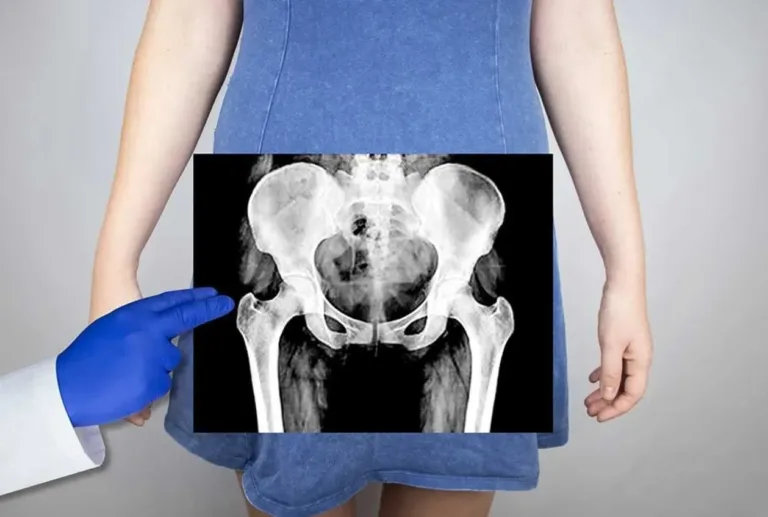
Normal Birth process
The normal birth process is the most beautiful life experience for every woman. From carrying the baby to finally holding your baby in your arms, it’s a journey in itself. The birth process is not easy and requires a lot of patience and strength.
This long and complex birth process is full of ups and downs. Any complications need to be dealt with maturely and with professional help. Therefore, it is important that not only the mother, but also those close to her know what to expect, how to deal with it and how they can help the mother.
There are stages of childbirth, and you need to know the stages of childbirth in advance. A well-informed mother is always ready to deal with any unexpected situation and gets through the whole process with little difficulty.
Normal Birth Process and Birth Stages
First stage of labor
The first stage of labor is the longest stage of labor and includes many sub-stages. The first stage of labor is when you become aware that labor has begun and your body begins to go through a myriad of different physical changes.
1. Stage of Premature Birth
The preterm labor stage is basically the stage where your body prepares itself for childbirth. The symptoms of the early stages of labor are quite noticeable and are the first stage of labor. The cervix begins to become thinner, shorten and move from a more backward position to a more forward position, towards the birth canal.

2. Hidden Stage
In the latent phase, contractions usually vary from person to person and occur 15-20 minutes apart. The cervix begins to open and reaches a width of 3 cm. Contractions at this stage are usually mild and also manageable, like a cramp during your period. It is not necessary to rush to the hospital or rush, because this stage is not a start, but only serves as an indicator for the upcoming birth process. It can be easily taken care of. However, this is also a sign that you need to prepare for more challenging stages.
A) What to do in the hidden stage?
- Keep yourself calm. Listen to music or hang out on social media. Do what feels good to you.
- Keep yourself active by doing some basic chores around the house or doing any light exercise so that your muscles don’t get strained. Make sure your limbs move freely.
- You have a few crucial hours ahead of you, so use your energy carefully. You’re going to need it.
- Drink plenty of water and drink mineral-rich fluids.
B) How long does the first stage of labor last?
It is difficult to map the duration of this stage because it varies greatly from woman to woman. It all depends on how dilated your cervix is and the strength and time interval of each contraction. For some women, this phase doesn’t last very long and they quickly move into the active phase. Some women, on the other hand, spend a few more hours trying to get to the next stage and experience mild contractions at first. On average, premature birth takes about 8-12 hours.
What happens at this stage?
- The opening of the cervix will be up to 3 cm.
- The interval between contractions can be between 5 minutes and 30 minutes, and the strength of the contraction will gradually increase over time.
- Each contraction will last about 30 to 45 seconds.
- You will feel cramps (similar to menstrual cramps), pain in your lower back, and also your pelvic muscles tightening.
- There is a small chance of water coming out, so don’t panic if this happens.
C) Convulsions
- Each contraction is stronger than the previous one
- The duration of contractions also begins to increase gradually.
- The time difference between them gradually decreases.
E) What can be done at this stage?
Do your best to make sure you are not alone at this stage, and have a reliable companion by your side who can help and guide you through this process.
- Teach them how to time contractions.
- Tell them(s) beforehand that they need to calm you down.
- This person(s) should be someone you trust enough to support you and help you in the right way.
- Ask them to distract you by talking or light activity.
3. Active Birth Stage

The active labor phase is when the labor process has fully begun and your body is preparing itself to give birth. Everything shows a rapid increase in speed; from contractions to pain and dilation. At this stage, you should be very careful.
A) What to Do During the Active Birth Phase
- Now you need to get out of the comfort zone of your home and go to the hospital because you are now close to giving birth.
- Make sure you are with someone who can take care of you and carry everything that is necessary.
- Do not panic and try to stay in a calm mood. This will greatly help in dealing with pain and physical symptoms.
- Take advantage of relaxing breathing techniques to prevent any nervous tension and keep your senses alert.
- Decide whether or not to get an epidural and prepare your body for the more painful contractions you will experience.
- Try to stay as physically active as possible, but don’t push yourself.
B) How long does the active labor stage last?
This stage of labor is more painful, but its duration is slightly shorter. Active labor usually lasts between 3-6 hours, depending on the physical condition and many other factors. If the active labor stage exceeds this timeline, you need to contact your doctor and get help, as you may be having a slow labor.
- The opening will gradually increase from 3 cm to the targeted width of 10 cm.
- The duration of contractions is prolonged, the time interval between contractions is shortened.
- The pain will increase and become difficult to endure, so an epidural is recommended to deal with this.
- You may feel anxious and have shortness of breath, so staying calm and breathing exercises are very important.
C) Tips for Dealing with Active Childbirth
The person(s) who are there to help and support you during the birth process;
- Talk to you and he will try to keep you as calm as possible.
- Let it give you water, ice chips, or anything else you might need.
- May it give you moral support and encouragement.
- Give you a blanket, a soft pillow, and let him physically support you during contractions.
- Keep in touch with doctors and nurses.
4. Transition period to childbirth

This is the bridge stage between the First and Second stages of childbirth. The body is almost completely ready for childbirth, and the expansion increases significantly. This is a very important stage because the mother needs to be mentally prepared and has a lot of physical pain to deal with.
A) What to Do During the Transition Phase
- With an epidural, your pain will be a little less and the contractions will not bother you as much as before. However, if you choose to give birth without an epidural, you need to be fully prepared to deal with contractions.
- Depending on your preference, you can put a cold or warm washcloth on your back and forehead to relieve pain.
- If you feel a lot of pressure on any part of your body, change your position. The doctor can guide you on which positions are safe to take.
- A gentle massage can also help you reduce stress and stay calm.
- Ask your support person to stay with you, as you can use all the support you can get.
B) How long does the transition period to birth last?
- This stage may last for a few minutes or a few hours, depending on the physical condition of the mother. The duration is unpredictable and varies from person to person.
- The cervix will dilate from 8 to 10 cm, adequately preparing you for childbirth.
- There will be little or no space between contractions, so the pain is increasing and you will need to stay as calm as possible.
- It is very normal to feel any nausea, discomfort, gas discharge or headache, and you should be prepared for it.
C) What can be done during the transition to labor?
Keep in mind that this can be the most painful phase, but it’s also usually the shortest. So keep your head up, calm down, breathe well, and have the support of the other person.
2 of birth. Phase
It is an important stage of the normal stages of labor, as your cervix will be fully opened and the labor process will begin. The doctor will ask you to push to get the baby pushed out, do a careful straining each time. It can be difficult to deal with pain at this stage.
Your uterus will begin to contract. This stage is comparatively less painful compared to active labor because contractions become less frequent and the body becomes well lubricated. There may be a discharge of blood and fluids, but you should not worry about it and focus on directing your energy to your pelvis.
How long does the second stage take?
The 2nd stage of labor can last from a few minutes to several hours. If you’re giving birth for the first time, the process will probably take longer. However, if you have given birth naturally before, your body will adapt to this situation faster and even the lubrication will be more. With the help of doctors/nurses, you should take the most comfortable position that will make it easier and quicker to push the baby out. No matter how hard this is, you have to tell yourself not to give up and keep pushing because your baby is almost here!
3 of birth. Phase
At this stage, you have successfully brought your baby into the world and the hardest part of the whole journey is over. Your breathing gradually begins to normalize, and the trembling of your body also decreases to some extent. However, you should keep in mind that the process is not over yet, and there is a part of the membrane called the “Placenta” that must be expelled from the body. There will also be a significant amount of bloody discharge from the body. However, this is a good thing, and you should not panic or worry. Active management of the third stage of childbirth by a professional is important.
How long does the Third Stage of labor last?
Stage 3 of labor lasts 5 to 15 minutes after your baby is born and is probably the shortest of the birth stages. Your uterus will then begin to contract and the placenta will be pushed out. This process is called “postpartum”.
The doctor will make sure that no part of the membrane is left behind, and that the blood released from the peeling of the placenta is also expelled and not left behind. While there is an option to artificially initiate this process and make it faster, some mothers prefer it to happen naturally unless the body really requires it.
The Fourth Stage of Childbirth

Once you’ve held your baby and made that important sensual contact, your baby will be taken to be cleaned and monitored. This is when you need to focus on an important stage: Recovery. This is the final stage of pregnancy childbirth.
You need to remember that your body is going through a very tiring and arduous experience and needs as much rest as possible. Your doctor will make sure that your blood loss is compensated, and you will also receive hormone and glucose serums to replenish your body fluids. This helps you move towards a speedy recovery altogether.
If you feel extremely tired and weak, this is completely normal. Now that the hard part of the journey is over, you need to focus on getting stronger and healthier to be able to take care of your newborn.
What happens after childbirth?
After childbirth, the mother’s duties have just begun. Your nurse will first make sure that your uterus has started to heal and that there are no complications to worry about. The uterus must be restored, otherwise there is a risk that the bleeding will worsen and lead to other complications.
The next most important stage is breastfeeding. This is very important for the baby, as the mother’s diet is full of nutrients that the newborn can absorb to get stronger. Remember, your baby has also moved from his safe haven to an unfamiliar environment, so holding your baby close to your skin will comfort the baby and help him recognize the relationship between the two of you. Although some mothers prefer to feed their babies formula milk and stop breastfeeding, it is a well-known fact that breast milk is the safest and most nutritious milk.
It is very normal to experience mild contractions until a day or two after giving birth, because the body is still adapting and trying to return to its normal state. However, the pain will be quite bearable, and your focus should be on getting closer to your baby. Make sure the doctor checks you thoroughly and that there are no internal injuries to worry about.
The process of giving birth may seem long, but it is also a wonderful process. A woman’s body undergoes so many changes in just a few hours to bring new life into this world. The struggles that a woman endures at the beginning are soon forgotten because the mother realizes that it was worth it when she first looks at her child.
Resources: