
Stress during pregnancy
Stress is normal during pregnancy, and regular daily stresses are not bad for your baby. But stress can cause problems when it becomes constant or overwhelming – some studies have shown that chronic stress can be related to premature birth, preeclampsia and miscarriage.
Signs that you are stressed include a rapid heartbeat, difficulty breathing, body aches, and difficulty sleeping. Try exercising to reduce stress, enlisting the help of friends and family for support, and practicing mindfulness techniques. If your stress becomes overwhelming, you can consult with a mental health professional for tips on how to get rid of stress.
What causes stress during pregnancy?
Along with the range of emotions that come with bringing a new person into the world, you are currently dealing with a range of physical symptoms and changes. Who doesn’t get stressed when all this is happening?
Pregnancy brings a lot of new worries into your life. You’re trying to focus on staying healthy, and you’re watching pretty much everything you eat, drink, and do right now. When your baby arrives, you may worry about how to take care of him. And if you have a job, you may be under the added pressure of trying to finish all of your work before you go on maternity leave.
Changing hormone levels during pregnancy can cause mood swings, and these emotional changes can also make it difficult for you to cope with any stress you are facing.
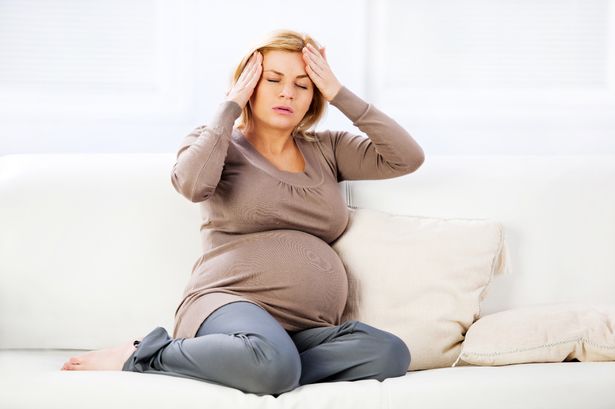
What are the symptoms of stress during pregnancy?
Stress can make you frustrated, anxious, upset, or angry. These are all things that happen in your mind. But stress can also cause physical symptoms such as:
- Difficulty breathing
- Increased heart rate
- Heart palpitations
- Abdominal pains
- Panic attacks
- Teeth grinding
- Burnout
Stress can also make some of your standard pregnancy symptoms feel worse, such as body aches, headaches, nausea , and difficulty sleeping . (Stress can also aggravate any chronic conditions you had before you got pregnant.) Stress during pregnancy can also reduce your appetite or make you want to eat too much, which can prevent you from maintaining a balanced diet.
Does Stress During Pregnancy Cause Miscarriage?
Stress can have many effects on pregnancy. You should know that normal things that can stress you out every day, such as worrying about an upcoming ultrasound or getting frustrated when you’re stuck in traffic, aren’t bad for your baby. Daily stressors like these won’t harm your baby, and stress alone won’t cause a miscarriage either — there’s no medical evidence linking the two.
Is stress during pregnancy a cause of preterm birth?
However, if the stress is intense or does not go away, it can cause problems. Studies have linked chronic stress (stress that is prolonged, continuous, and gets in the way of your ability to function) to pregnancy complications such as preterm birth, preeclampsia , and low birth weight.
If you find that you’re overcoming divorce, money problems, or major health problems, especially by using cigarettes, alcohol, or drugs, these are serious stressors worth talking to your doctor about.
Post-traumatic stress disorder (PTSD) happens to some people who have experienced a traumatic event, such as sexual assault, harassment, or a natural disaster. When you have PTSD and you relive the traumatic event over and over again, it can be very distressing. Some studies have found that women with PTSD may be more likely to have a premature or low-birth-weight baby than women without. Your doctor and a counselor can teach you ways to avoid PTSD triggers and manage your symptoms.
Keep in mind that many pregnant women are exposed to stress and still have healthy babies. How you deal with your stress can make a difference.

What can I do to cope with stress during pregnancy?
Take your time. When you feel upset, take a short break. A few minutes of meditation, reading a magazine, talking to a friend, or going for a walk may be just what you need. Enjoy a prenatal massage, if possible, to soothe your sore spots and help you relax.
Play sports. Any kind of physical activity relieves tension and releases endorphins that make you feel good. Exercise helps you have a healthy pregnancy and can improve your emotional health. Try walking, swimming, or doing prenatal yoga — whatever form of movement you prefer. If your health care provider has told you not to exercise, try turning on music and singing some of your favorite songs out loud. Or write in a diary where you are free to express all your feelings.
Take a deep breath. If you feel nervous, you’re probably holding your breath. Sometimes when people are in pain or stressed, they only breathe shallowly through their chests. Deep breathing can help. Here’s an exercise you can try: Expand your abdomen as you breathe. When you exhale, allow your belly to relax and release all your tension. Focusing on your breathing can help you gain more control over your thoughts and emotions so that you can deal with difficult situations more effectively.
Surround yourself with positive people. How do you know if your friends are good for you? Pay attention to how they make you feel when you’re around them. If someone upsets you, try to stay away from that person during your pregnancy. You can then decide if it’s worth continuing your friendship or confronting the person about your feelings.
Prepare for unwanted attention. Does it bother you when people touch your belly or comment on your body? Instead of getting upset, check out these ideas to learn how to deal with rude comments. Keep a few in mind to use when you need them.
Talk. Instead of suppressing the stress, let it out. Talk to a good friend, partner, or a counselor about your problems, don’t live inside you.
What should I do if I feel like my stress is out of control during pregnancy?
If stress and anxiety are a regular occurrence in your life and you can’t get rid of them, talk to your doctor. If you can’t manage stress while pregnant, it can get overwhelming. Chronic stress can prevent you from relaxing or stop thinking about your worries, and it can build up to the point where it starts to feel out of control. Stress can also turn into depression or anxiety during pregnancy, leaving you feeling constantly anxious or fearful.
Getting treatment can help you feel better. Your primary care doctor or obstetrician may refer you to a therapist, counselor, or other mental health professional. Talk therapy is a treatment for chronic stress, anxiety, and depression. By sitting down with a therapist one-on-one or virtually, you can learn techniques to manage your stress and anxiety in a healthier way.