Development of the Baby in the Womb
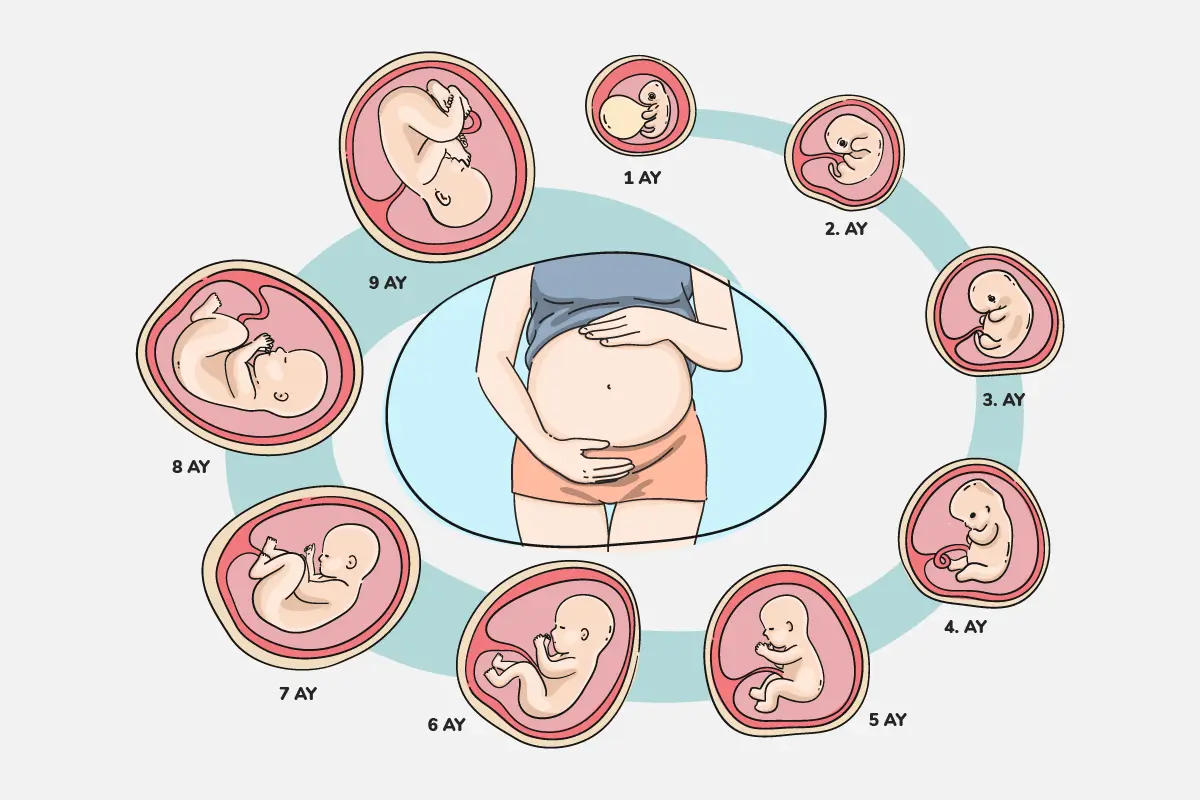
“Development of the Baby in the Mother’s Womb” is one of the most miraculous processes of life. This journey, which turns from a cell into a full-fledged baby, is admirable for both mothers and those who are curious about this process. Pregnancy is a unique adventure that lasts nine months, with a new stage of development of the baby witnessed every week. In this article, we will discuss in detail what developments the baby shows in which weeks in the mother’s womb, how its organs are formed, and what are the duties of mothers in this process. If you’re ready for this journey, let’s get started!
The development of the baby in the womb
First Phase: 1-12 Weeks
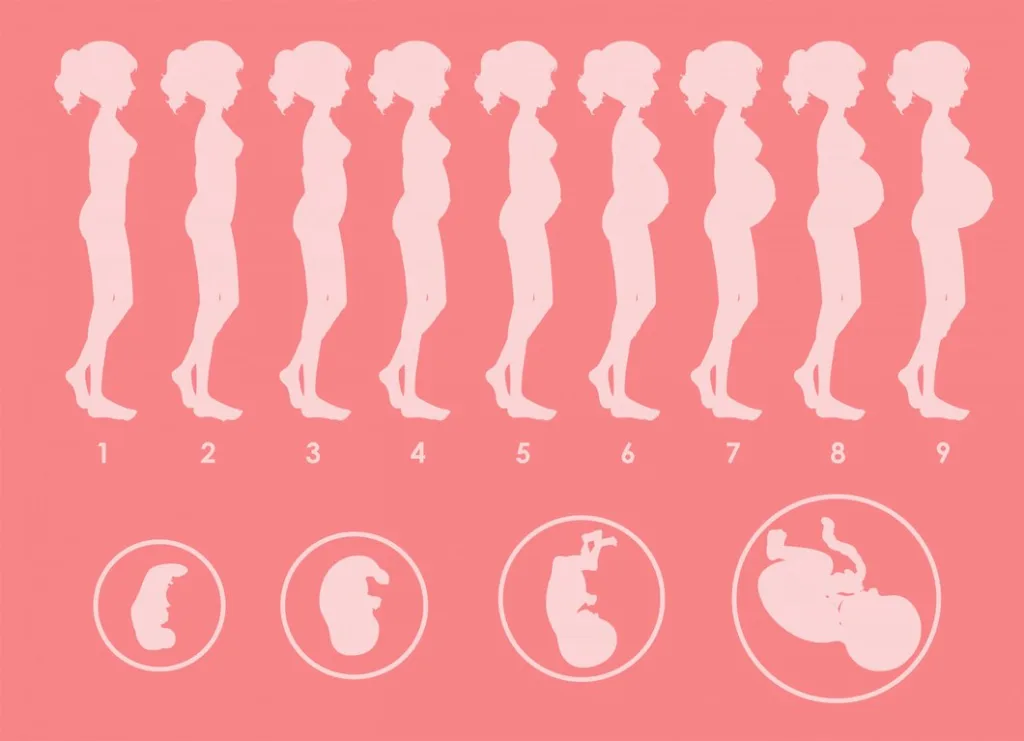
This period, called the first trimester of pregnancy, is one of the most critical times of the “Development of the Baby in the Womb”. During this period, the journey that begins with the implantation of the fertilized egg in the uterus continues with the formation of the baby’s basic organs and systems.
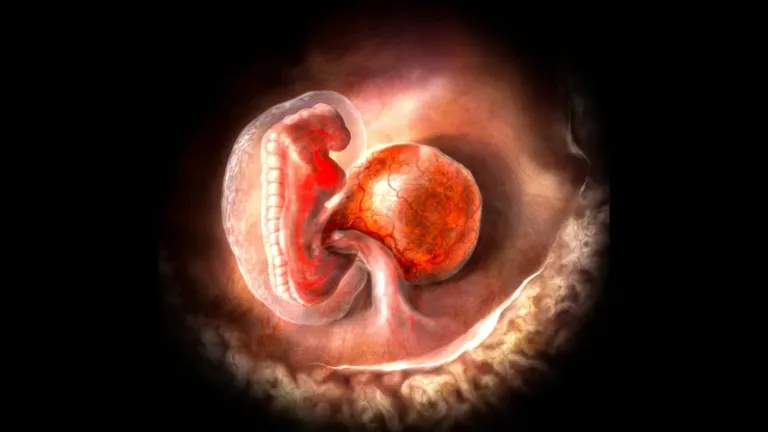
Weeks 1-4: During this period, the fertilized egg implants in the uterus and embryo formation begins. The basic organs and systems of the baby begin to form, especially the foundations of vital organs such as the heart, brain and spine are laid.
Weeks 5-8: The baby’s heart begins to beat, which is a wonderful moment and can usually be seen with an ultrasound during the first doctor’s visits. During this time, facial features such as eyes, ears, nose, lips, and tongue also begin to form. Hand and foot buds also begin to become evident during these weeks.
Weeks 9-12: During this period, the baby’s fingers and nails begin to form. The sex of the baby is determined in these weeks, but it is usually necessary to wait a few more weeks for it to be detected by ultrasound. The baby’s basic organs become functional during this period and are now called fetuses.
This period is also very important for expectant mothers. Hormonal changes, nausea, fatigue and emotional fluctuations are typical symptoms of these weeks. However, this is an indication that the baby is developing in a healthy way. In the next stage, the baby’s development will accelerate even more and the expectant mother will feel these changes more clearly.
Second Phase: 13-24 Weeks
The second trimester of pregnancy is usually a period when mothers feel and experience the “Development of the Baby in the Womb” more closely. Between these weeks, as the baby’s growth and development accelerates, mothers also feel these changes more prominently, physically and emotionally.
Weeks 13-16 : During this period, the baby’s skin is formed, but it is quite thin and the blood vessels are visible through the skin. The baby begins to move with his own muscles. These movements may not be felt by his mother at first, but they become evident over time. In addition, the baby’s hair, eyebrows and eyelashes begin to form.
Weeks 17-20 : The baby begins to produce and swallow saliva between these weeks. During this period, many mothers feel the baby’s movements for the first time. This is often described as a “gentle touch of butterfly wings”. In addition, it becomes possible to find out the sex of the baby with the help of an ultrasound examination.
Weeks 21-24 : During these weeks, fat begins to be stored under the baby’s skin. This fat gives him temperature control after he is born. There are also significant advances in the development of the sense organs. In particular, their ears develop better during this period and can react to external sounds.
This trimester is usually the most comfortable period of pregnancy for mothers. While first-trimester symptoms such as nausea and fatigue usually subside, discomfort in the weeks leading up to delivery has not yet begun. For this reason, many mothers find this period to be the best time for final prenatal preparations and planning.
Third Phase: 25-36 Weeks
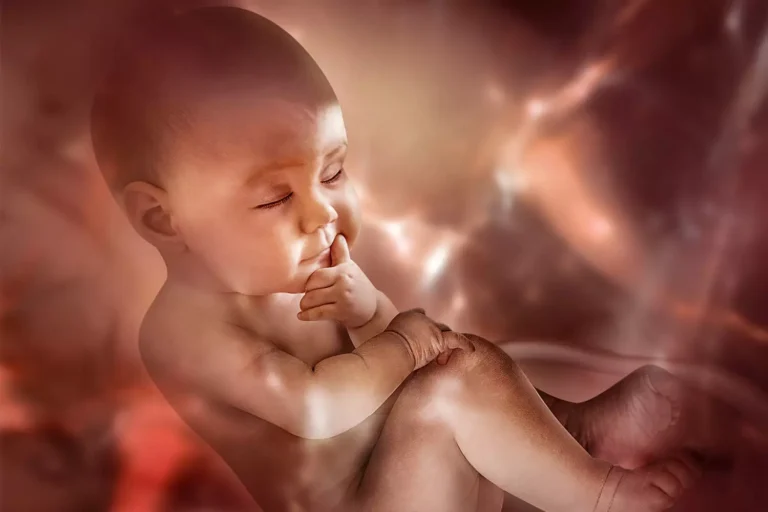
This stage covers the most intense growth and development period in the “Development of the Baby in the Mother’s Womb” process. This trimester, in which important changes and developments are experienced for both the baby and the mother, is the period when preparation for birth begins.
Weeks 25-28 : The baby’s lungs begin to develop rapidly, but they don’t become fully functional even at the end of those weeks. During this period, the baby is able to distinguish between his mother’s voice and other sounds coming from outside. The baby’s eyes open during these weeks and can react to light.
Weeks 29-32 : During this period, the baby continues to gain weight and store fat. Its skin becomes thicker and acquires a reddish tint. While the baby’s bones are hardened, the skull is still soft and flexible; This allows the head to pass through the birth canal more easily during childbirth.
Weeks 33-36 : The baby’s lungs develop rapidly during this period and are almost ready for birth. Also, during these weeks, the baby’s head turns towards the pelvic area and begins to assume the birth position.
During this trimester, mothers feel the baby’s movements more often and strongly. In addition, symptoms such as contractions in the uterus, frequent urination, and low back pain can be seen in preparation for childbirth. During this period, mothers are advised to pay special attention to proper nutrition and adequate rest.
The Last Stage of the Baby in the Womb: 37-40 Weeks and Beyond
This last period of pregnancy is a critical phase when the baby is preparing for birth and the mother is completing her final preparations. In the process of “Development of the Baby in the Womb”, these weeks cover the final stages and are a period of waiting and preparation for both parties.
Weeks 37-38
During this period, the baby is considered “full-time” in the full sense of the word. The lungs are almost fully developed and ready to live in the outside world. The baby’s head lowers further into the pelvis to be ready for birth.
Weeks 39-40 : The baby’s body makes its final preparations for birth. Fine hairs, called lanugo, fall out of the baby’s skin. Vernix caseosa, a white, creamy substance, coats the baby’s skin to protect it. This substance can also be seen on the baby’s skin after birth.
40 Weeks and Beyond: If the baby is not born at 40 weeks, expectant mothers usually wait a few more days or a week and act in accordance with the doctor’s recommendation. During this period, mothers are recommended to go to the doctor’s control frequently and closely monitor the baby’s movements.
During this last stage of pregnancy, mothers may experience “practice contractions,” commonly known as Braxton Hicks contractions. These contractions are similar to labor pains, but they are not regular and are usually painless. With the onset of real labor pains, it means that the time for the baby to come into the world is approaching.
Development of the Baby in the Womb: Sensory and Physical Communication
Sensory communication between mother and baby begins from the very early stages of the baby’s development process in the womb. During this period, the baby’s sensory organs begin to develop rapidly, and the mother’s voice, touch, and even emotional state have an impact on her baby.
- Sounds: The baby’s ears begin to develop from the 16th week and become able to react to external sounds by the 24th week. In particular, the mother’s voice is the one with which the baby is most familiar and to which he reacts the most.
- Touch: The baby’s skin is sensitive to touch from the early stages of pregnancy. Caressing the belly of the expectant mother and gently massaging her can calm the baby.
- Emotional State: The emotional state, stress or relaxation of the mother can also affect the emotional and physiological state of the baby. Especially during periods of stress and anxiety, the mother is recommended to engage in calming activities.
Development of the Baby in the Womb: Frequently Asked Questions
-
When can I hear the baby’s heartbeat?
The baby’s heartbeat can usually be detected by ultrasound from the 6th week onwards. However, it is usually necessary to wait until the 10th week to hear these shots with the doppler device.
-
When is gender determined during pregnancy?
The sex of the baby can usually be determined on a detailed ultrasound scan between the 18th and 22nd weeks. However, a clear view of the gender depends on the position of the baby and the quality of the ultrasound.
-
When do I feel the baby’s movements?
Mothers, especially those in their first pregnancy, can usually feel the baby’s movements after the 20th week. In the second or subsequent pregnancies, these movements can be felt earlier, from the 16th week.
-
When does the baby start to hear?
The baby’s ear begins to develop from the 16th week and becomes able to react to external sounds by the 24th week.