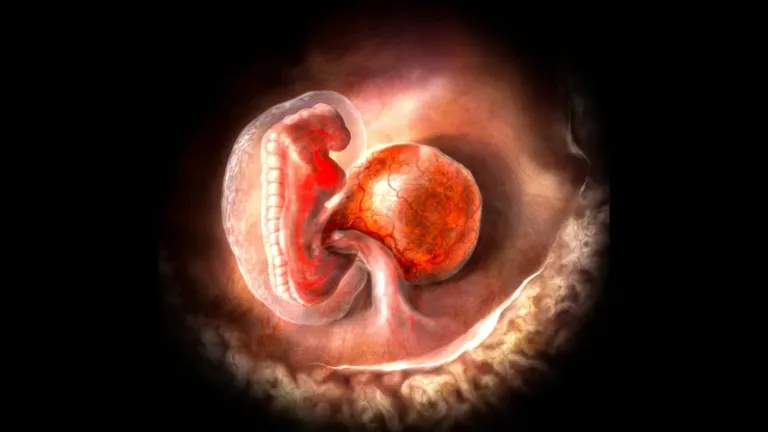
Developmental Retardation of the Baby in the Mother’s Womb
Developmental retardation of the baby in the womb is a condition that is frequently encountered in the medical literature and that many families are concerned about. It is defined as a condition in which the baby is smaller than the expected size or weight for its gestational age.
Infant developmental delay can bring potential risks to the health of both the mother and the baby. In this article, you can learn about the causes, diagnostic methods, symptoms and treatment options of developmental delay. Awareness of developmental delay is vital for early diagnosis and intervention.
Causes of Developmental Retardation of the Baby in the Womb
There can be many reasons why babies grow slower than expected in the womb. These reasons can usually be related to the baby, the mother or external factors. Here are the causes of developmental retardation of the baby in the womb:
Genetic Factors:
In some cases, developmental delay in the baby can be caused by genetic abnormalities. These abnormalities are congenital and can often be identified through family history. Genetic diseases and syndromes can lead to developmental delay in the baby.
Mother’s Health Status and Lifestyle:
Mothers’ health and lifestyle choices can directly affect the intrauterine development of babies.
- Chronic health problems such as diabetes, high blood pressure, and heart disease can cause developmental delay in the baby.
- Smoking, alcohol and drug use can adversely affect the development of babies. The effects of alcohol on the fetus are a particularly well-known risk factor.
Placenta Problems:
The placenta carries oxygen and nutrients to the baby. Placental problems can lead to infant developmental delay. Placental insufficiency, or premature aging of the placenta, can cause the baby to not be provided with enough nutrients and oxygen.
Infections:
There are some infections that can cause developmental retardation in the baby in the womb. Infections such as toxoplasmosis, rubella and cytomegalovirus can cause infant growth retardation.
Environmental Factors:
Some environmental factors to which the expectant mother is exposed can adversely affect the intrauterine development of the baby. High doses of radiation or exposure to certain chemicals can cause retardation in the development of the baby.

How to Understand the Developmental Retardation of the Baby in the Mother’s Womb?
There are various diagnostic methods to identify developmental delay in the baby and to understand the causes of this condition. Accurate diagnosis is critical for early intervention.
Ultrasonography: This is the most commonly used method for the evaluation of infants with suspected developmental delay. With ultrasound, some measurements are taken, such as the head circumference of the fetus, abdominal circumference and femur length. These measurements can help determine if the baby’s development is normal. For more detailed information, you can review the researches on the place of ultrasonography in perinatology .
Doppler Ultrasonography: This method measures the blood flow that the baby receives through the placenta. Abnormal blood flow can indicate problems such as placental insufficiency, which can cause developmental delay.
Amniocentesis: This test takes a sample of the amniotic fluid to determine the presence of genetic disorders or infections. This test is used specifically to investigate potential genetic causes of developmental delay. You can learn more about amniocentesis .
Symptoms of Developmental Delay
Mothers with suspected developmental delay in the baby should pay attention to certain symptoms. These symptoms can be:
Lack of Movement in the Womb: Some mothers may notice that their baby is moving less than usual. This may indicate that the baby may not be getting enough nutrients and oxygen.
Incompatible Baby Size with Gestational Age: During a doctor’s examination, the baby’s size and weight may be lower than expected based on the duration of the pregnancy.
Measurement and Test Results Below Norms: Based on the results of the ultrasound, the doctor can determine that the development of the baby is below the norm.
Types of Developmental Retardation of the Baby in the Womb
Symmetrical and asymmetrical developmental retardation are terms used for conditions in which the fetus grows slower than the expected growth rate in the mother’s womb. These two types are defined according to which organs and structures of the fetus are affected:
- Symmetrical Developmental Delay (SGG):
- All organs and structures of the fetus are equally affected.
- It usually begins in the first trimester (first trimester) of pregnancy.
- Head circumference, length and weight decrease proportionally, therefore it is called “symmetrical”.
- External factors such as genetic factors, chromosomal abnormalities, viruses or excessive consumption of alcohol and cigarettes by the mother can lead to this type of developmental delay.
- Asymmetric Developmental Delay (AGG):
- Some organs of the fetus are less affected than others.
- It usually begins in the second or third trimester of pregnancy.
- The size of the head is normal or higher than expected, but the abdominal circumference and/or femur length may be below normal.
- Asymmetric developmental retardation is usually caused by factors such as placental insufficiency, high blood pressure of the mother or preeclampsia. When the placenta can’t provide enough oxygen and nutrients, the fetus directs energy to priority organs to maintain brain development.
Risks of Developmental Delay
The diagnosis of developmental retardation of the baby in the womb brings with it some risks. Various complications can occur both during and after childbirth. Developmental retardation of the baby in the womb carries some risks:
Postpartum Complications: Babies with developmental delays are more prone to postpartum complications such as breathing problems, low blood sugar, and thermoregulation problems.
Long-Term Health Problems: Some studies show that individuals who have experienced intrauterine developmental delay may be more prone to chronic diseases such as heart disease, hypertension, and diabetes in adulthood. You can check the link for detailed information on long-term risks .
Learning and Cognitive Difficulties: In some babies, developmental delay may be associated with learning difficulties or cognitive delays.
Preventive and Supportive Measures
Preventive and supportive measures that can be taken to reduce or cope with the risk of developmental delay of the unborn baby are as follows:
Nutrition and Diet: A balanced and healthy diet can support the intrauterine development of the baby. The mother needs to make sure that she gets enough protein, iron, folic acid and other important nutrients.
Regular Doctor Check-up: Regular doctor visits during pregnancy are critical for early detection of potential problems.
Management of Risk Factors: Avoidance of smoking, alcohol and drug use; Management of chronic diseases (e.g. diabetes or high blood pressure) and prevention of infections are important.
Management of Risk Factors: Smoking, alcohol and drug use should be avoided. In addition, chronic diseases (for example, diabetes or high blood pressure) need to be well managed.
Treatment and Intervention Methods
There are various treatment and intervention methods for babies diagnosed with developmental delay. The purpose of these methods is to provide optimal results for the baby.
Closely Watching: The baby is closely monitored by methods such as ultrasonography and doppler ultrasonography. This helps the doctor to continuously assess the baby’s development and health.
Mother’s Hospitalization: In some cases, the expectant mother may need to be hospitalized so that the baby’s health and the mother’s condition can be constantly monitored.
Preterm Birth: If it is risky for the baby to remain in the womb, the doctor may prefer a premature birth.
Oxygen Therapy: In some cases, increasing the mother’s oxygen levels may be beneficial for the baby. This can help provide more oxygen to the baby.
Drug Treatment: Some mothers may be prescribed medication to increase blood flow in the uterus. However, the risks and benefits of such treatments should be carefully evaluated.
Developmental retardation of the baby in the womb brings with it potential risks for both mothers and babies. However, with early diagnosis and appropriate interventions, these risks can be minimized. The important thing is that the mother closely follows the pregnancy process, follows the doctor’s recommendations and does not disrupt regular control visits. Thus, it will be possible to achieve the best results for both parties. In this process, receiving support and information from families can reduce possible anxiety and show a more conscious approach to coping with developmental delay.
Frequently Asked Questions (FAQs) about Developmental Delay of the Baby in the Womb
-
What is developmental delay?
Developmental delay refers to a condition in which a baby grows slower than the expected growth rate in the womb. This means that the baby’s height, weight, or head circumference is below normal for that time of pregnancy.
-
What are the causes of developmental delay?
Causes of developmental delay include the mother’s lifestyle, eating habits, chronic diseases, genetic factors, placental problems and some infections.
-
How is developmental delay detected?
Developmental delay is usually detected during routine ultrasound scans. Advanced diagnostic methods such as Doppler ultrasonography can also be used.
-
Can a baby with developmental delay be born with normal birth?
Yes, many babies with developmental delays can be born naturally. However, each situation is different, and in some cases, cesarean delivery may be recommended.
-
Do babies with developmental delays develop health problems later?
Babies with developmental delays may experience some postpartum complications. However, with proper treatment and follow-up, many babies can lead healthy lives.
-
Can developmental delay be cured?
Developmental delay can be managed with some treatment and intervention methods. However, treatment methods may vary according to the underlying causes of retardation.