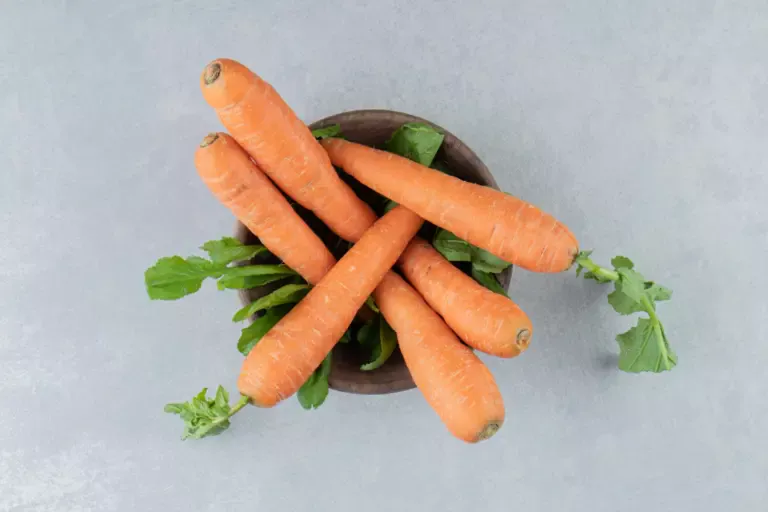
Foods to eat during pregnancy
During pregnancy, it’s important to pay more attention to your diet than ever before. Include plenty of fruits, vegetables, whole grains, protein foods, and fat-free or low-fat dairy products to support a healthy pregnancy and your baby’s development. Limit foods and beverages that contain a lot of added sugar, saturated fat, and sodium. Make half of your plate from fruits and vegetables at each meal. And enjoy the best foods for pregnancy listed below!
Foods to eat during pregnancy
Egg
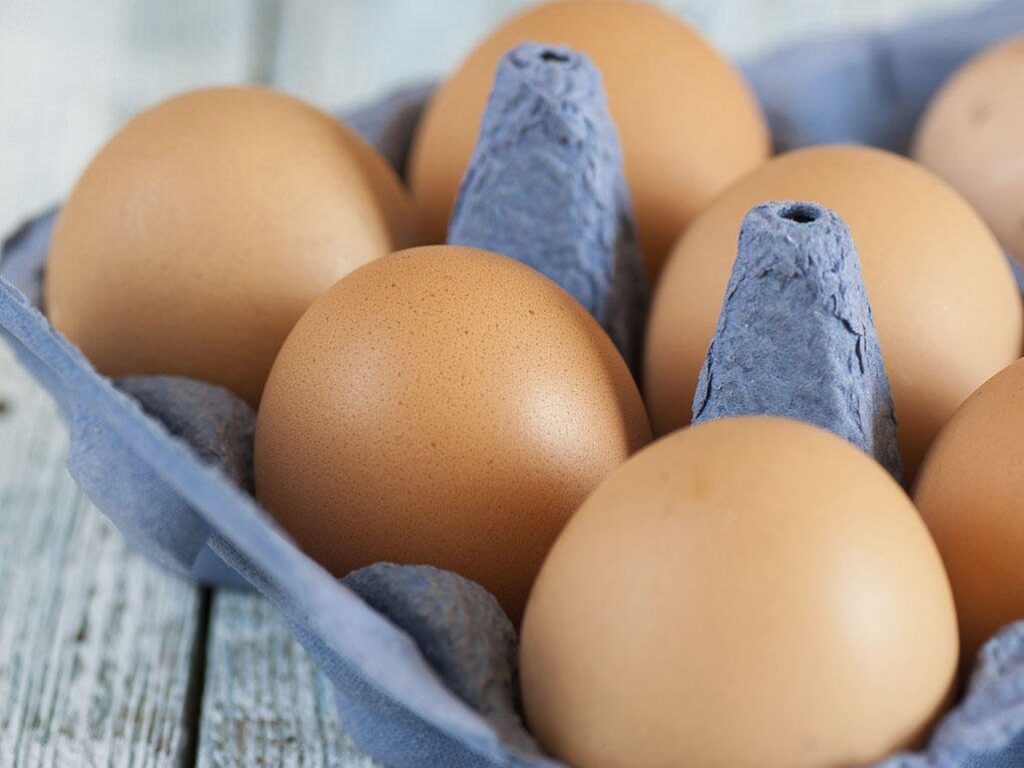
Eggs are a great source of protein, which is a very important part of your pregnancy diet. The amino acids that make up protein are the building blocks of the cells in your body and your baby.
Eggs also contain more than a dozen vitamins and minerals, including choline. Choline, which is mostly found in egg yolks, helps your baby’s brain and spinal cord develop properly and helps prevent some birth defects.
Salmon
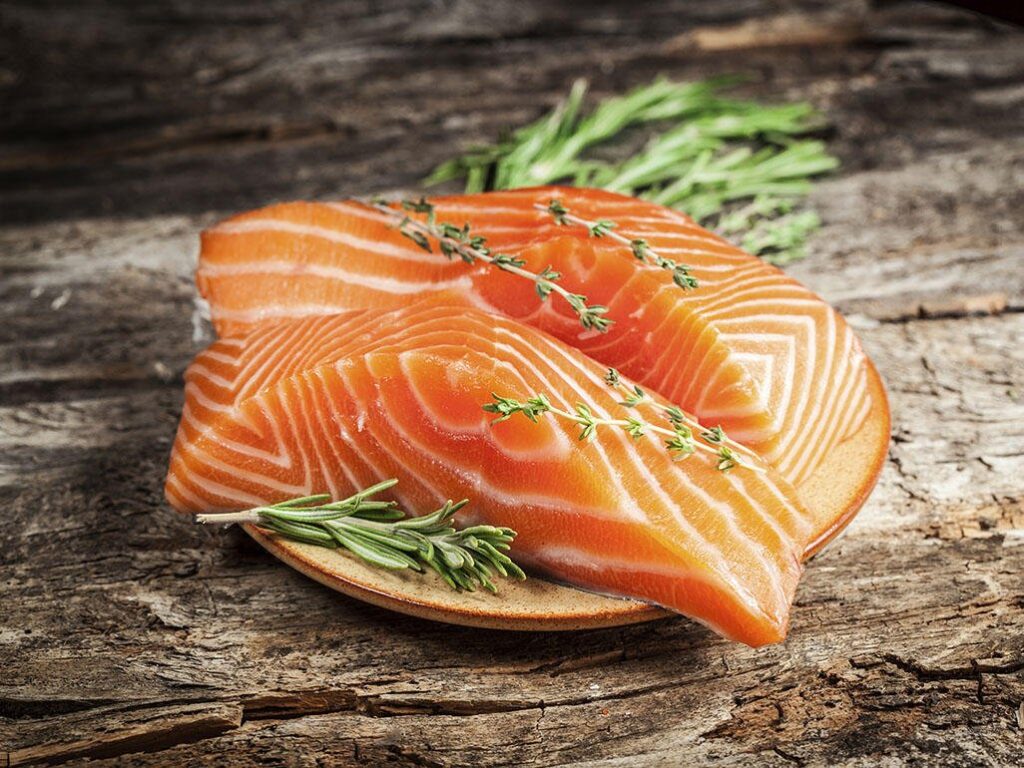
Omega-3 fatty acids are very important for your baby’s brain development and are even good for your mood. Salmon is an extremely good source. Salmon also provides protein and vitamin D, which your baby needs for healthy bones and teeth.
Salmon (as well as herring, trout, anchovies, sardines, and stirrups) is a low-mercury option for seafood that pregnant women are encouraged to eat every week.
Bean
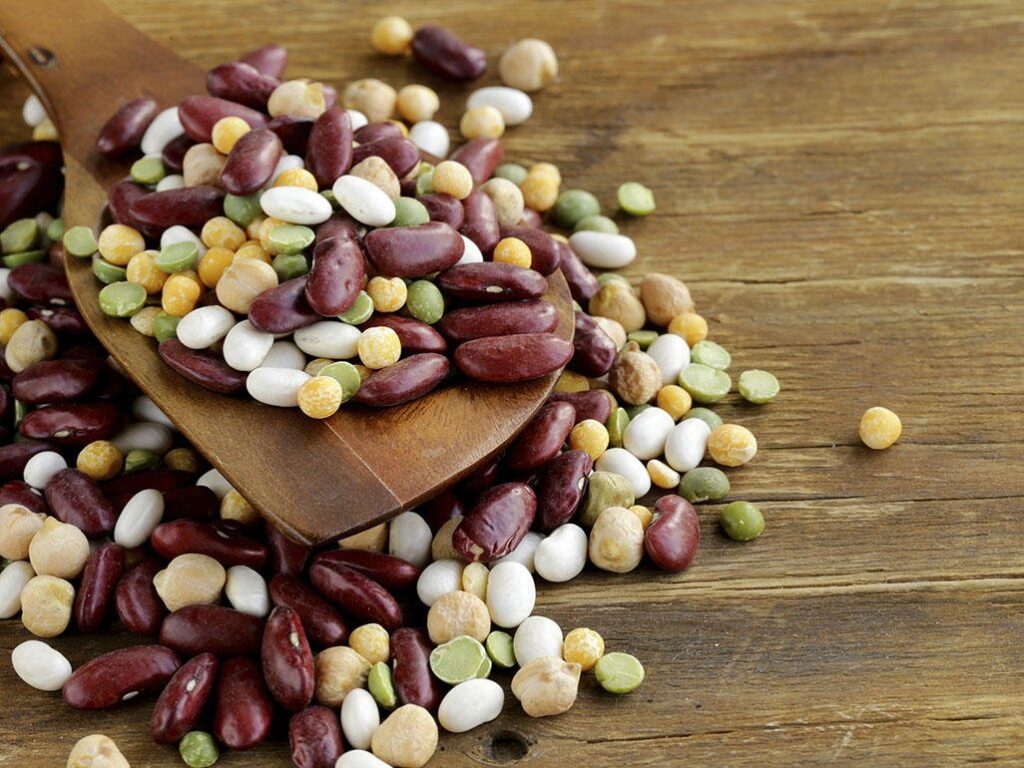
Beans — including legumes like lentils, peas, and peanuts — are a good source of protein and an excellent source of iron, folate, potassium, and magnesium. When you’re pregnant, you need them more.
Beans may also be helpful in relieving common pregnancy symptoms, such as constipation and hemorrhoids.
Sweet potato

Sweet potatoes get their orange color from carotenoids, which are plant pigments that are converted into vitamin A in our bodies. Your baby needs vitamin A for healthy bones, lungs, eyes, and skin development. This sweet vegetable is also a very good source of vitamin C and manganese, and a good source of vitamin B6 (which can help with morning sickness ), potassium, and fiber (especially if you keep the skin clear).
Whole Grains
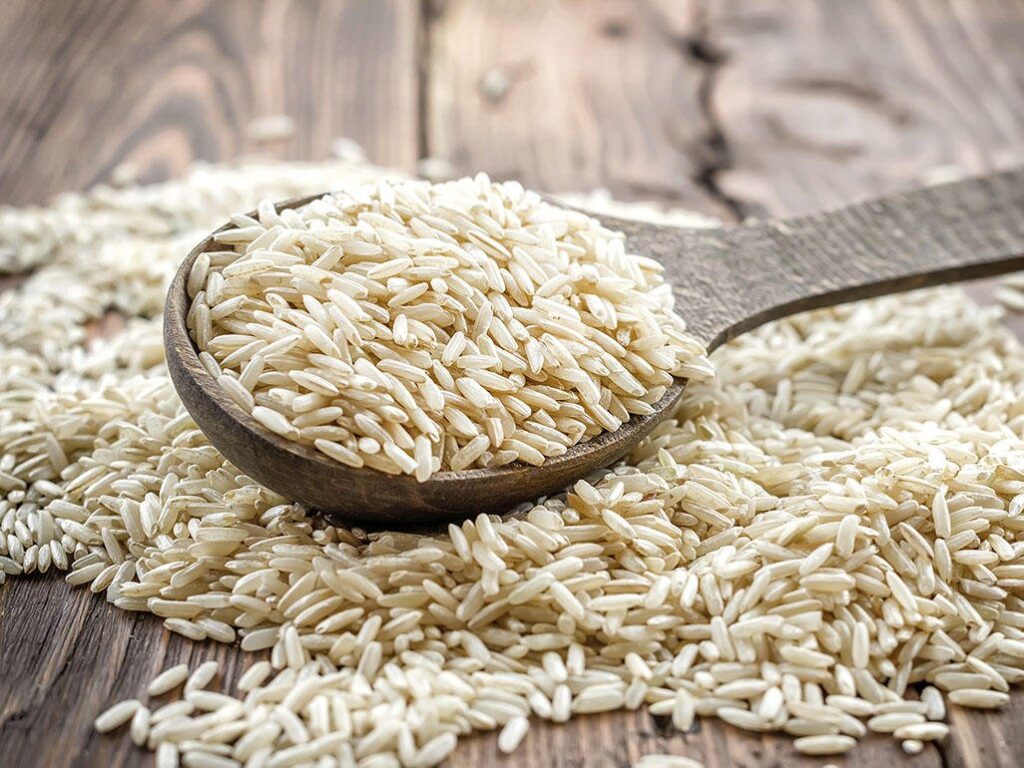
Whole grains are high in fiber and nutrients, including B vitamins, iron, folic acid, magnesium, the antioxidant vitamin E, and the mineral selenium. They also contain phytonutrients, which are plant compounds that protect cells.
Replace white bread with whole-grain bread and try different types of whole grains in your pregnancy diet, from barley and buckwheat to oats and awn wheat.
Walnut
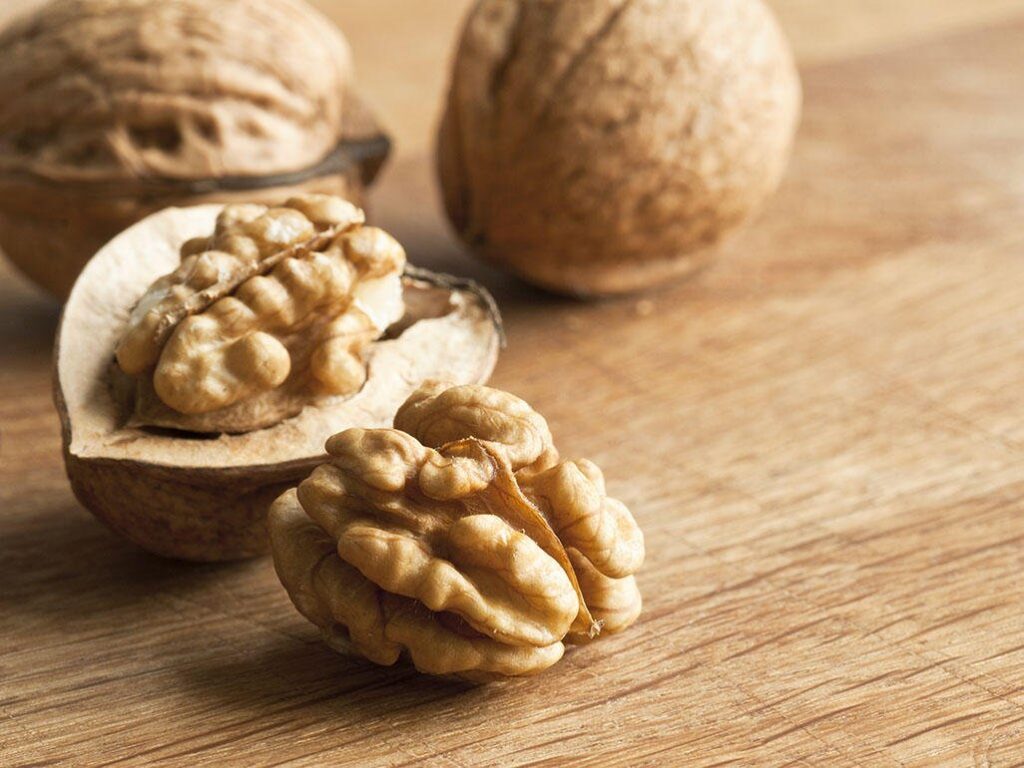
Walnuts are one of the richest sources of plant-based omega-3s. They’re also a good source of magnesium, fiber, and protein (you need more of these when you’re pregnant). Grab a handful of walnuts for an on-the-go snack or try mixing some into salads.
Look to other nuts, such as almonds and pistachios, and nut and seed oils, such as tahini, for similar benefits.
Yogurt
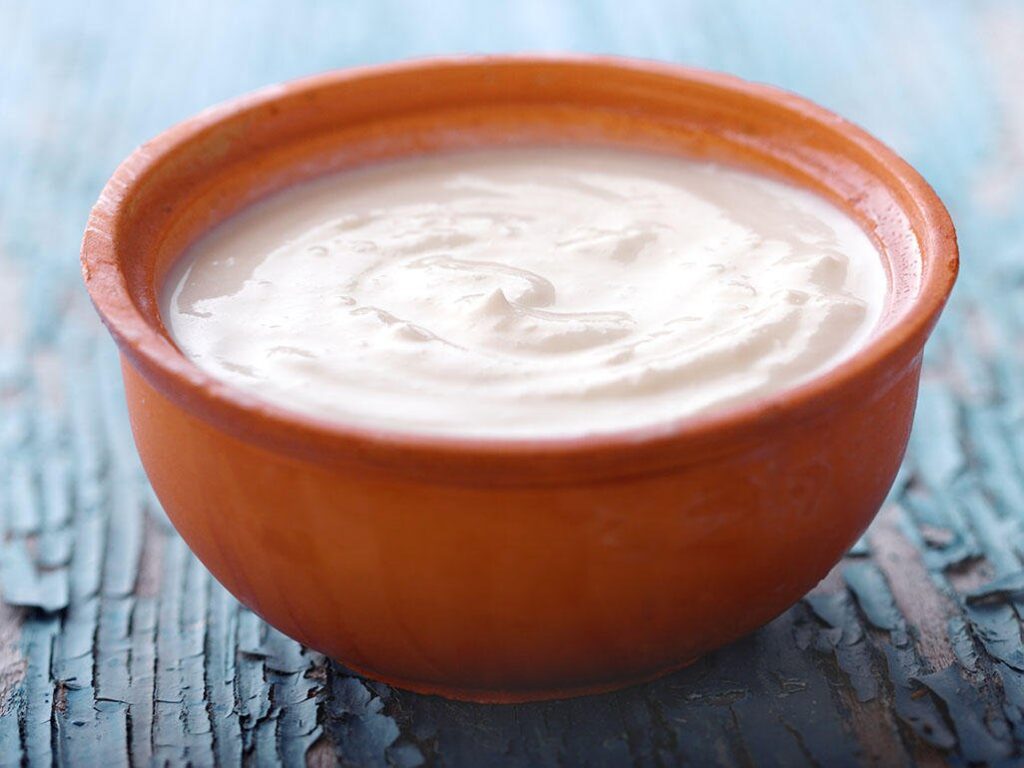
Yogurt is a good source of protein. Plus, it’s a great source of probiotics, B vitamins, phosphorus, and calcium. Calcium helps keep your own bones strong and helps your baby develop a healthy skeleton.
Yogurt is a versatile breakfast ingredient and is also a great addition to delicious meals. Drinking milk is another good way to get calcium every day.
Broccoli and dark leafy greens
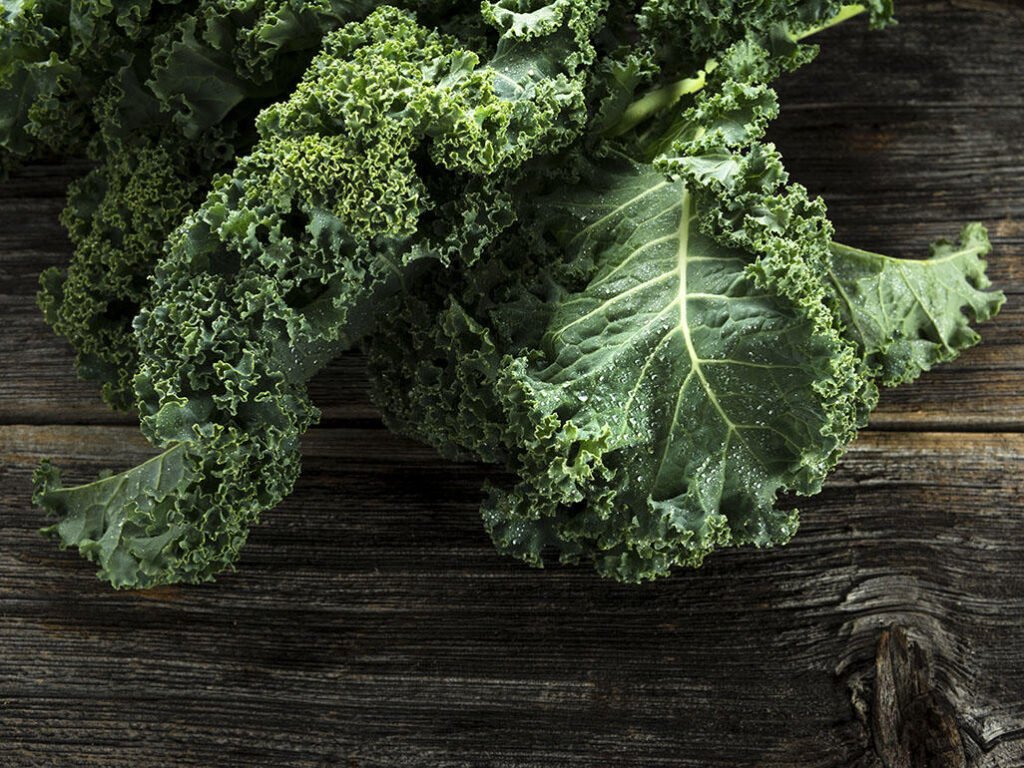
Broccoli and dark leafy greens like spinach, kale, and Swiss chard are prenatal superfoods packed with vitamins and nutrients, including vitamins A, C, and K, as well as calcium, iron, and folate. They are also rich in antioxidants and fiber, which can ease constipation.
It’s easy to increase the amount of dark leafy greens in your diet. Coarsely chop the greens and toss them into smoothies, soups, omelets, or stir-fries.
Lean meat and poultry
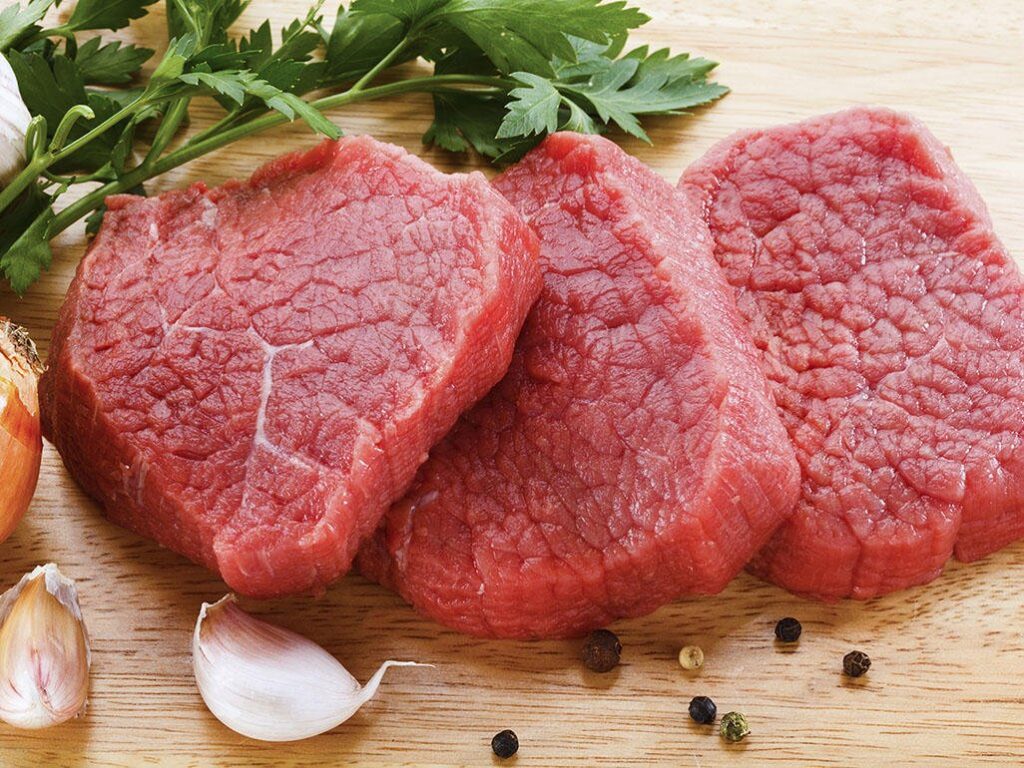
Meat is an excellent source of high-quality protein and a good source of B vitamins, iron, and zinc. Iron provides oxygen to the cells in your body, and you need more of it during pregnancy.
Try to buy meats that are 95 to 98 percent lean.
Keep in mind that red meat or poultry has a small risk of transmitting an infection during pregnancy from bacteria and parasites such as listeria, toxoplasma, or salmonella, which can be dangerous for you and your baby.
Colorful fruits and vegetables
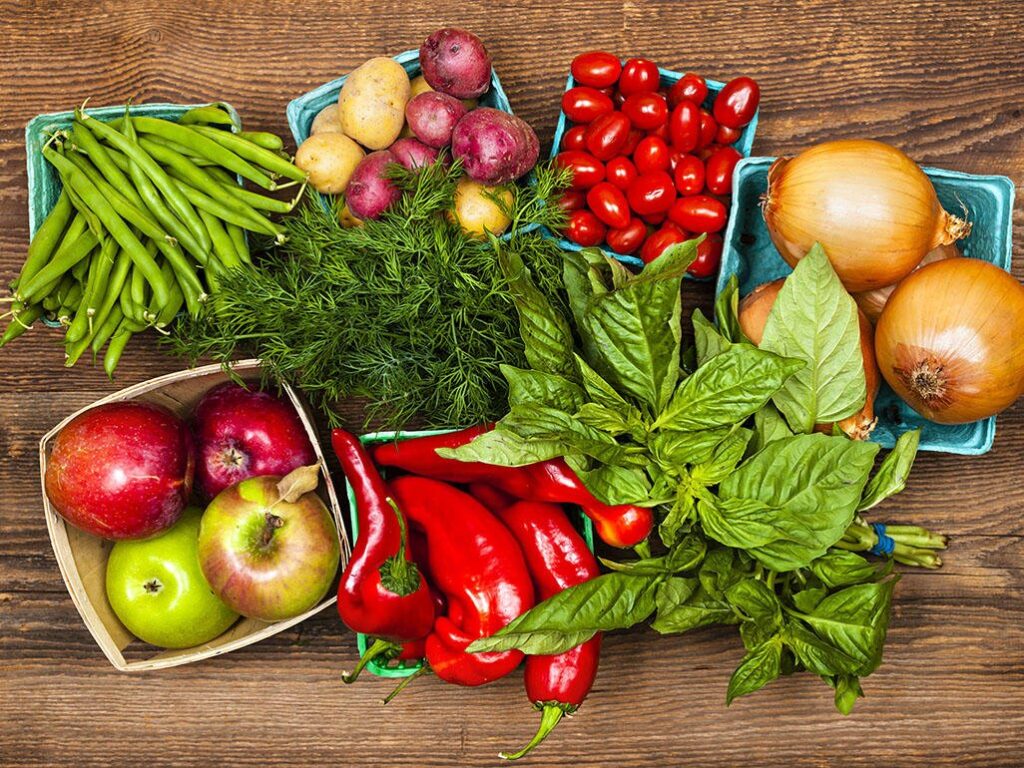
Eating plenty of green, red, orange, yellow, and purple fruits and vegetables helps you and your baby get a variety of nutrients. Each color group provides different vitamins and minerals. Bell peppers, for example, are rich in vitamin C (which helps you absorb iron), while berries are packed with antioxidants. Salads are an easy way to combine colorful fruits and vegetables.
Avocado
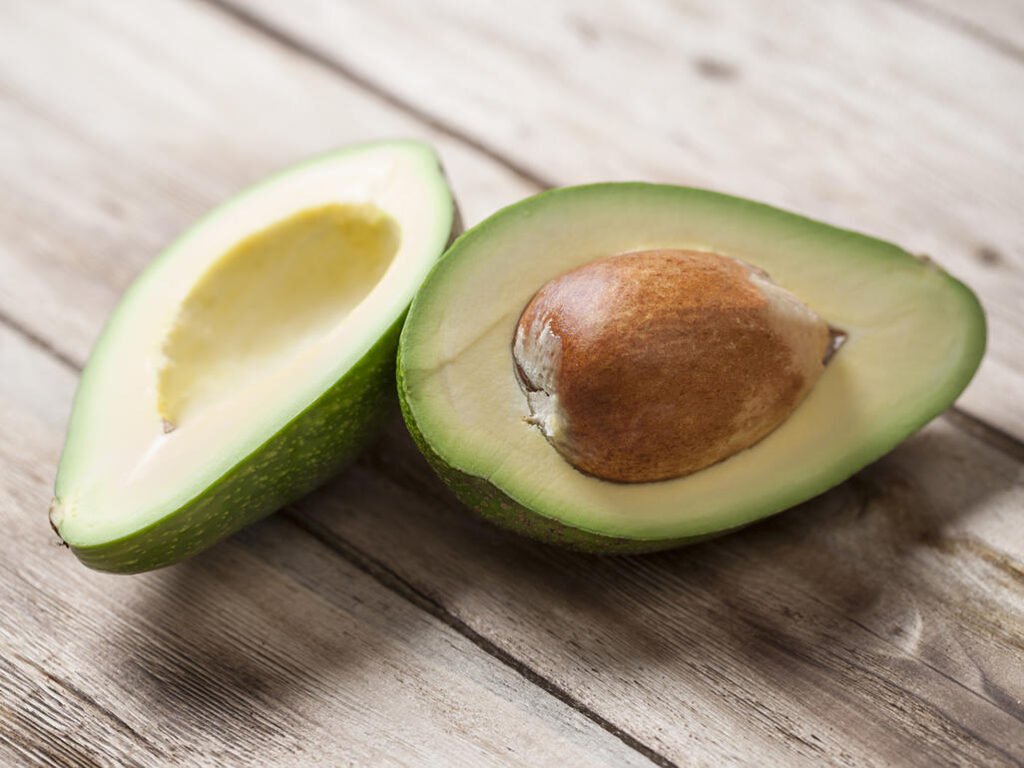
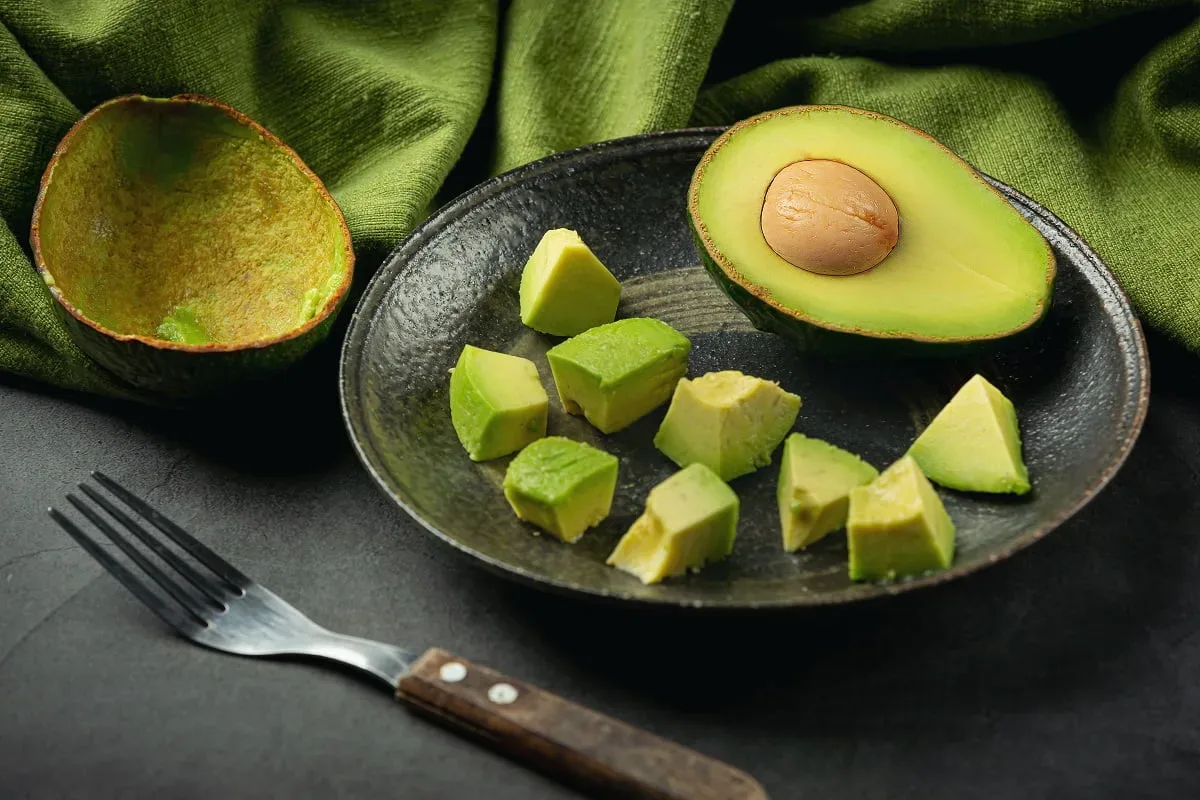
Avocados are rich in monounsaturated fatty acids (healthy fats) that help develop your baby’s skin and brain. It’s also rich in vitamin K, antioxidants, and folate, which help prevent some birth defects.
Are you bothered by leg cramps? The potassium in avocados can help. Are you constipated? Fiber content is an antidote. Do you suffer from morning sickness? The vitamin B6 in avocados, which is also good for your baby’s developing brain, may help relieve nausea.
Avocados provide a lot of flavor, creamy texture, and nutrition. Try spreading it on whole-grain toast or add it to salads and smoothies.
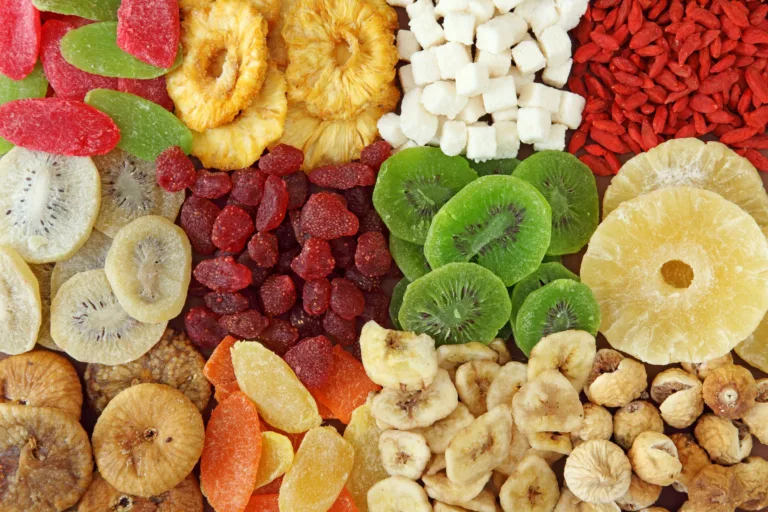
Dried fruits
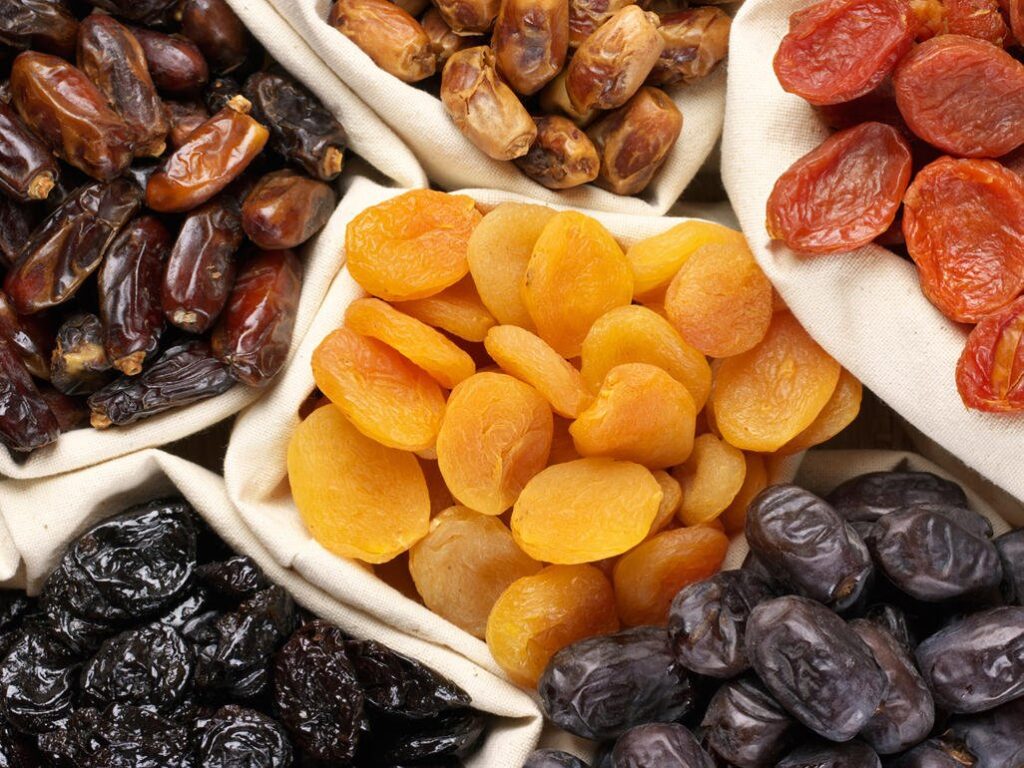
Portable and highly nutritious, dried fruits offer a good occasional alternative to fresh fruit, which is crucial in your pregnancy diet. Be careful to buy dried fruit without added sugar.
Depending on the dried fruit you choose, you’ll fortify your diet with a variety of vitamins and minerals (such as iron), as well as antioxidants and fiber. Prunes, for example, are a tried-and-true remedy for constipation, which plagues many pregnant women.