Itching of the feet during pregnancy
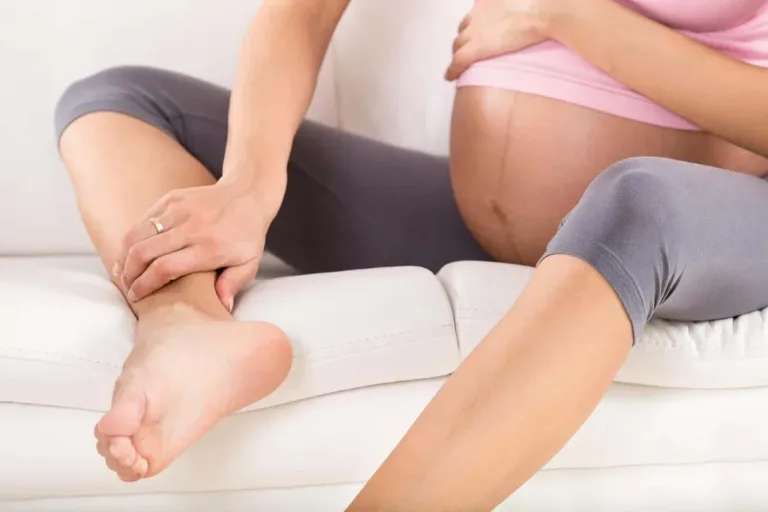
Itchy feet during pregnancy is a condition that affects some women. Some women may experience discomfort such as itching of the hands and itching of the belly near the feet. While most itching during pregnancy is just bothersome, severe itching can cause sleep loss and even indicate a critical medical problem. Read on to learn about the causes and symptoms of foot itching during pregnancy, as well as the treatment a pregnant woman may opt for.
What causes itchy feet during pregnancy?
Unusual discomfort during pregnancy, such as itchy feet and nausea and vomiting, occurs during pregnancy. Yes, it is a fact that some pregnant women may experience itching, especially in their feet. Although it is not a serious concern, it is also a fact that constant scratching is quite annoying. There are various reasons why pregnancy can cause itching in the feet, from increased sweat production to hormonal changes to skin problems such as psoriasis. This is not a serious problem, but itching can be very uncomfortable, and the last thing you should feel during pregnancy is discomfort.
In some cases, foot itching during pregnancy may also be due to a condition known as cholestasis or acolis of pregnancy. In cholestasis or acoli, pregnancy hormones cause liver dysfunction, resulting in the accumulation of bile in the bloodstream and in the liver. This buildup consequently leads to itching in certain parts, such as the hands or feet. If acolia or cholestasis occurs in pregnant women, this condition should ideally be treated medically. If left untreated medically, the condition can even affect the unborn baby.
What are the causes of itchy feet during pregnancy?
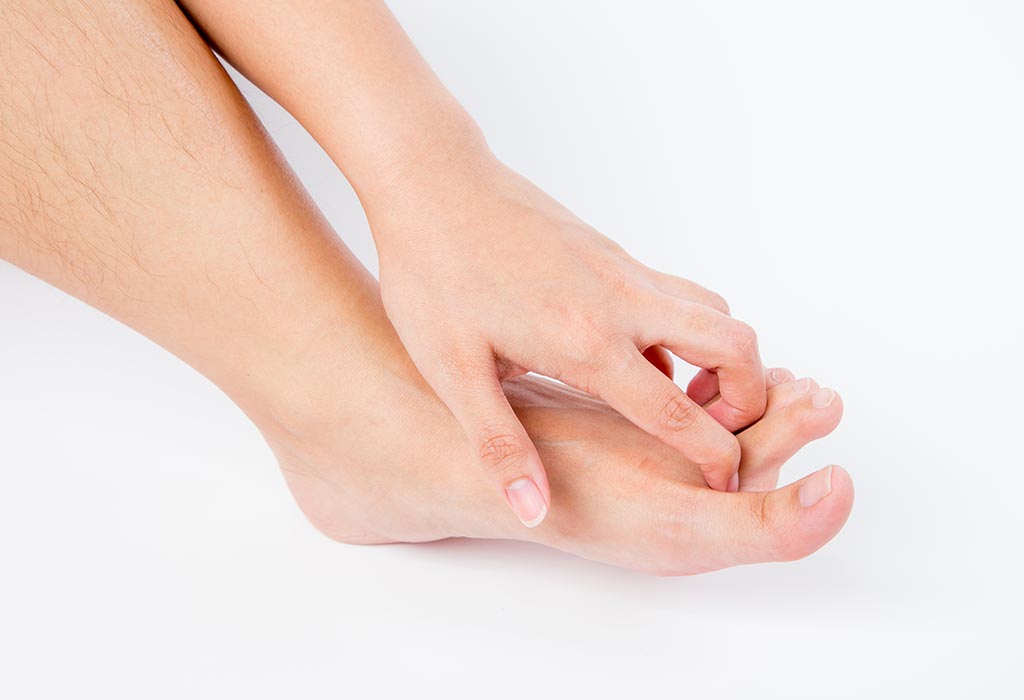
Itchy feet during pregnancy can be caused by many reasons. Intense foot itching may be associated with other symptoms that depend on the root cause. Also, while some pregnant women may experience isolated itching in the feet, very few may experience itching all over the body, including the abdomen and hands. Others may experience severe foot itching with mild itching in other parts of their body.
The causes of foot itching during pregnancy can be listed as follows:
Hormonal and Immune System Changes
Changes in hormones and the immune system during pregnancy can cause skin irritations. Specific immune system functions can suppress or enhance the development and growth of the baby, and such immune changes can make some women susceptible to certain skin conditions during pregnancy.
Intrahepatic Cholestasis Of Pregnancy
Intrahepatic cholestasis of pregnancy (ICP), also known as obstetric cholestasis (OC), is caused by the irregular movement of bile from the liver to the intestine during pregnancy. Bile salts under the skin cause severe itching without redness on the feet and hands, mild itching in other areas. Jaundice, which is yellowing of the skin and whites of the eyes, and abdominal pain on the right side are some of the other symptoms. The diagnosis can be confirmed by taking a blood test.
Peripheral Neuropathy
Peripheral neuropathy damages nerves outside the central nervous system (spinal cord and brain), which causes numbness, tingling, pain, and itching in the feet and hands. Lower extremity (foot) neuropathy is quite common during pregnancy due to nerve compression from the developing uterus. However, it should be noted that such damage is reversed after the baby is born.
Psoriasis
Psoriasis can lead to painful plaques on the feet and itching of the feet and other organs during pregnancy. Women who had psoriasis before their pregnancy may go into remission or flare up after becoming pregnant. However, some women may also find that their symptoms improve during pregnancy.
Dry skin
Dry skin is a common cause of foot itching, especially in extremely dry climatic conditions. Swimming in chlorinated water and washing the feet frequently can also cause the skin to dry out. Dry skin can also be caused by dermatitis or eczema, which is caused by environmental and genetic factors. Some pregnant women may experience itching in the feet due to dyshidrotic eczema, a type of eczema that appears on the sides and soles of the feet.
Allergic Reactions
Allergic reactions can cause itching in the feet in some pregnant women who are exposed to certain triggers, and such triggers can vary in each scenario.
Symptoms of itchy feet during pregnancy
Severe itching is the main symptom of pregnancy cholestasis without any rash. Itching often intensifies at night and can cause a lack of sleep. Itching usually begins in the third trimester of pregnancy, but it can also start earlier and worsen as the due date approaches. However, after childbirth, itching usually disappears within a few days.
Changes in a person’s skin can also come with a feeling of itching. Some signs and symptoms of foot itching during pregnancy include:
- Cracks
- Dry, flake-like plaques
- Bubbles
- Rash
- Swelling
- Itch
- Redness
- White spots
- Yellowing of the skin and whites of the eyes (jaundice)
- Nausea
- Loss of appetite
Can Foot Itching During Pregnancy Be Serious?
Itchy feet during pregnancy is usually not a very serious condition. However, suppose that itching occurs in the feet and hands during the third trimester of pregnancy and is accompanied by rare symptoms such as vomiting, nausea, loss of appetite and fatigue. In this case, it may be more than just a skin problem. A very common problem of foot itching during pregnancy can be cholestasis, a disease that weakens the digestive fluid from the liver. This is usually accompanied by lightening of the color of the stool and darkening of the color of the urine. Extra bile in the blood can harm your baby and increase the risk of preterm birth, or inhale his stool (meconium) during childbirth, leading to breathing problems.
Also, cholestasis can lead to poor absorption of vitamins A, D, E and K (fat-soluble vitamins), which can dissolve after the child is born. However, cholestasis can also lead to dangerous complications with a high risk of recurrence in a woman’s future pregnancies.
How to treat foot itching during pregnancy?
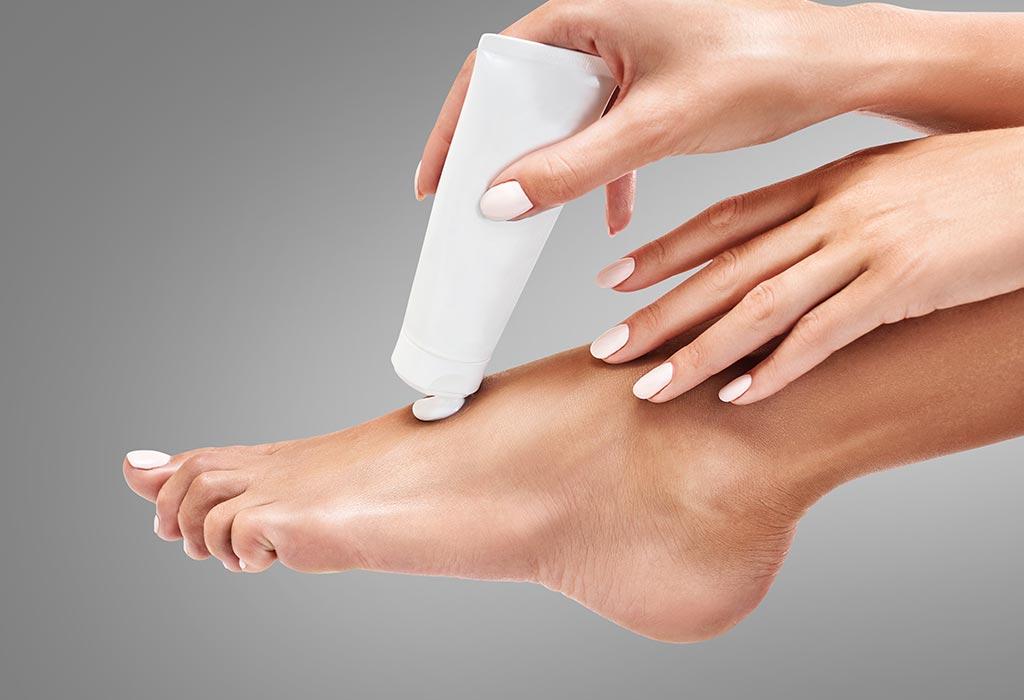
For common causes of foot itching during pregnancy, various treatments can be tried to relieve persistent itching.
Cold application
Cold washcloths, cold foot baths, or ice packs wrapped in towels should also be applied to a woman’s feet to soothe itchy skin. Do not apply the ice for more than 10 to 15 minutes.
New socks
Socks made of loose and natural, breathable fibers (such as wool or even cotton) can prevent itching and sweating of the feet.
Massage
Foot massage can also work wonders for itching of the feet, as it helps to distract the nerves and reduce itching. However, the feet should be gently massaged and acupuncture points on the feet and ankles should be avoided, as some spots can cause uterine contractions.
Moisturizers
Simple, fragrance-free moisturizers like shea butter, cocoa butter, or colloidal oatmeal can help calm itchy feet. However, a doctor should be consulted before using topical medications such as lotion with diphenhydramine (Benadryl) or calamine lotion, as they can be dangerous during pregnancy.
Medications
Suppose itchy feet are caused by psoriasis or eczema. In this case, it is advisable to consult your doctor before using any medications, as they may not be safe to use during pregnancy and your doctor may be able to help you find safer substitutes. A preferred treatment for psoriasis during pregnancy is ultraviolet B phototherapy.
What you can do at home for itchy feet during pregnancy
There are several methods that can give you relief for itchy feet during pregnancy. Here are some solutions that you can do yourself at home:
- Use cold compresses: Take an ice pack and place it on your feet for a few minutes.
- Use lotion: Mix in a little sweet almond oil, olive oil or any other oil, a little beeswax, a few juniper berries and some ground cloves. Apply this mixture to your feet to relieve foot itching.
- Use a paste made from gram flour: Make a mixture of grams of flour, oil and water to make a smooth paste. Apply this paste to the affected area for 15 minutes and then wash it off.
- Use calamine lotion: Apply some calamine lotion to the affected area and leave it overnight. This will help with itching.
- Use Coconut Oil: Take some pure coconut oil and massage the affected area with this oil. Coconut oil can seep through the skin and reach dry skin cells.
- Use Aloe Vera: Collect some aloe vera gel from aloe vera leaves and apply this gel to the affected area. The aloe vera plant is well known to provide health benefits and help with a variety of skin conditions.
Tips for keeping feet healthy during pregnancy
The extra weight of carrying a baby can lead to a variety of foot-related problems in pregnant women. One of the common problems in pregnant women is itchy, swollen and painful feet caused by excessive fluid intake. Here are a few tips for keeping feet healthy during pregnancy:
- Do not walk barefoot.
- Use orthopedic shoes.
- If you experience swelling, keep the feet elevated and continue to massage the feet.
- Engage in light and frequent exercise, such as walking, to keep blood circulating in the feet.
How do you know if you have cholestasis during pregnancy?
Severe itching is the main symptom of pregnancy cholestasis, and this itching is not accompanied by any redness. Pregnant women often feel itching on the soles of their feet or palms. However, some women feel itching all over the place, and the itching usually worsens at night. The doctor is the best person to diagnose pregnancy cholestasis with a blood test and physical examination. These tests also allow the doctor to know how the liver is working.
When should you go to the doctor?
- Itchy feet that occur at night during pregnancy can be treated at home with a few changes in your lifestyle and the application of topical moisturizers and creams.
- However, if the itching becomes severe or does not improve with any treatment, a doctor should be consulted.
- The person may also want to see a doctor if they have symptoms of peripheral artery disease or diabetic neuropathy.
Pregnancy is a wonderful and at the same time a bumpy ride. With all the anticipation and excitement, there may be some side effects along the way. However, most of these side effects can be easily treated at home, and one does not need to be stressed by this whole experience.
Source: FirstCry