Pregnancy poisoning (Preeclampsia)
Pregnancy poisoning (Preeclampsia) is a disease that affects pregnant women. It is known to cause problems such as poor liver function and fluid in the lungs. In addition to affecting the mother, cerebral palsy due to premature birth can cause dangerous consequences for the child, such as blindness and deafness.
What is pregnancy poisoning (Preeclampsia)?
Preeclampsia is a pregnancy complication that can begin at the 20th week of pregnancy, the second trimester, or any time up to six weeks after birth and can lead to problems such as kidney damage and high blood pressure. Expectant mothers may not show any symptoms if they get preeclampsia, which is why most doctors insist on checking your blood pressure every time you visit the clinic. If the blood pressure is high, they will recommend a urine test to check the levels of protein in it.
It requires immediate treatment as it can lead to other health problems such as preeclampsia and HELLP syndrome; where HELLP stands for Hemolysis, High Liver enzymes, and Low Platelet count.
Causes of Preeclampsia
Decreased blood flow towards the placenta is one of the main causes of preeclampsia, and there are no visible symptoms. This condition occurs when the placenta does not implant properly in the uterine lining and the expansion of the arteries in that area is not sufficient. Pre-pregnancy diabetes and chronic hypertension can also be causes of less blood flow to the placenta.
It has also been found that when there is a change in blood flow to the placenta, some placental proteins are released into the bloodstream in large volumes. Because of this, the following reactions are triggered in your body:
- The blood vessel walls are damaged, which causes the body to swell and the level of protein in the urine increases.
- Blood vessels narrow, which leads to high blood pressure.
Preeclampsia can also be caused by other factors, such as autoimmune disorders, genetic factors, nutrition, and problems with blood vessels. Your immune system and its response to pregnancy are also thought to be one of the causes of preeclampsia.
What are the Symptoms of Pregnancy Poisoning?
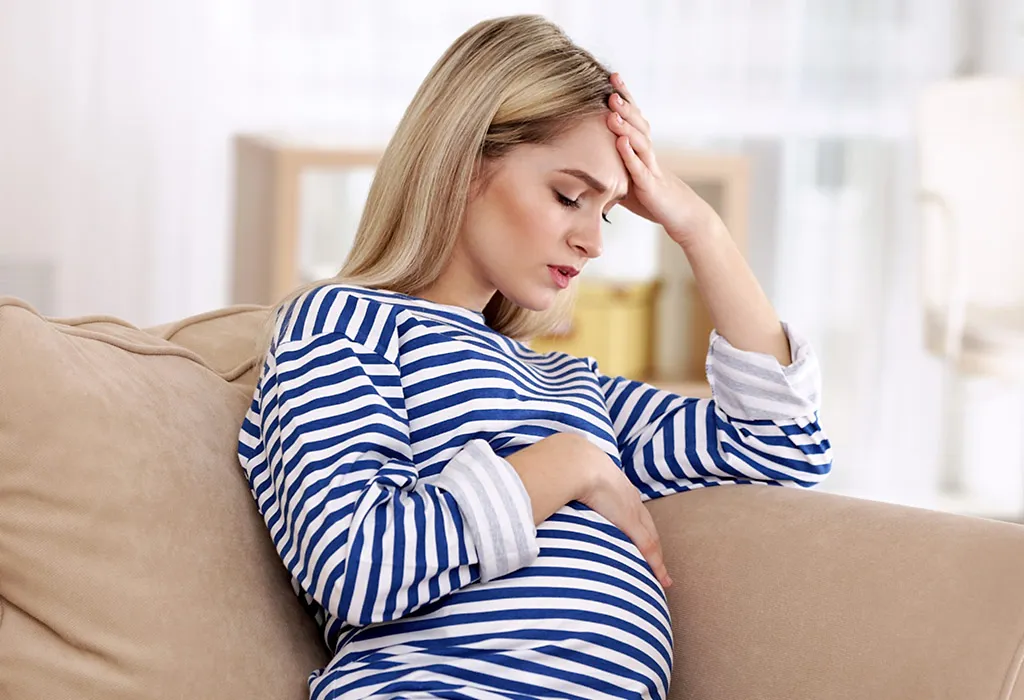
Preeclampsia may or may not show any obvious symptoms, and even if it does, the symptoms may differ from one woman to another. People are often confused because preeclampsia has symptoms similar to normal pregnancy symptoms, such as nausea, weight gain, and swelling. The early stages of preeclampsia can typically go unnoticed and therefore need to be carefully monitored during doctor visits.
Talk to your doctor if you notice any unusual swelling anywhere on your body, as it may be related to preeclampsia swelling. Note the following:
- Swelling of the hands and fingers.
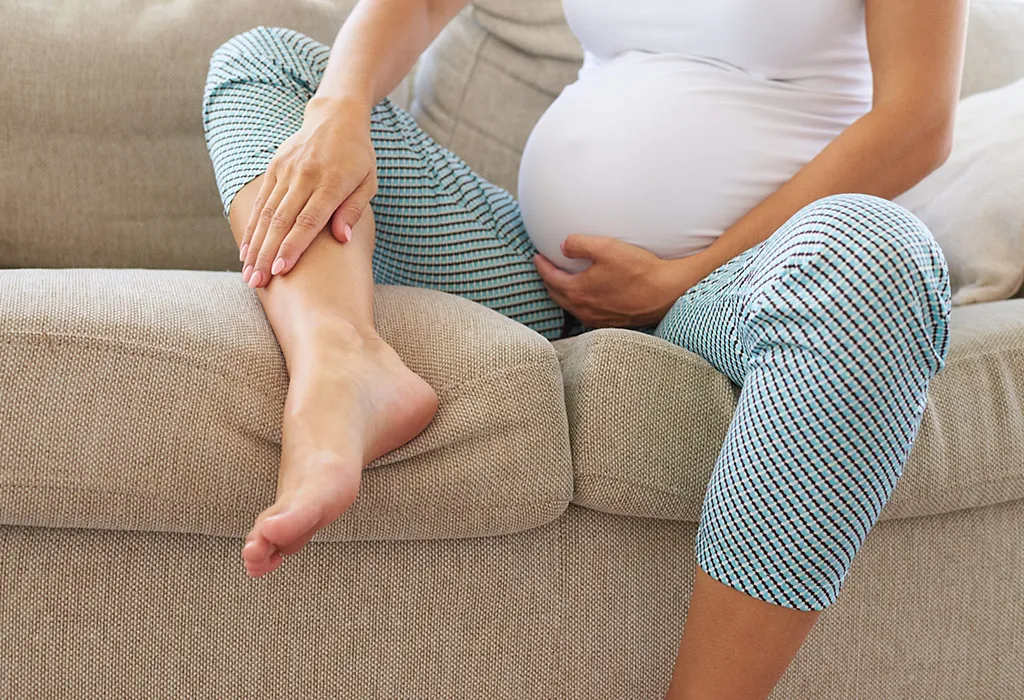
- Excessive swelling of the feet and ankles.
- Swelling of the face and neck or swelling around the eyes.
- Rapid weight gain in as little as a week or two weeks.
It should be remembered that not every pregnant woman who gains weight quickly or has swelling may be affected by preeclampsia, and the causes of her condition may be different.
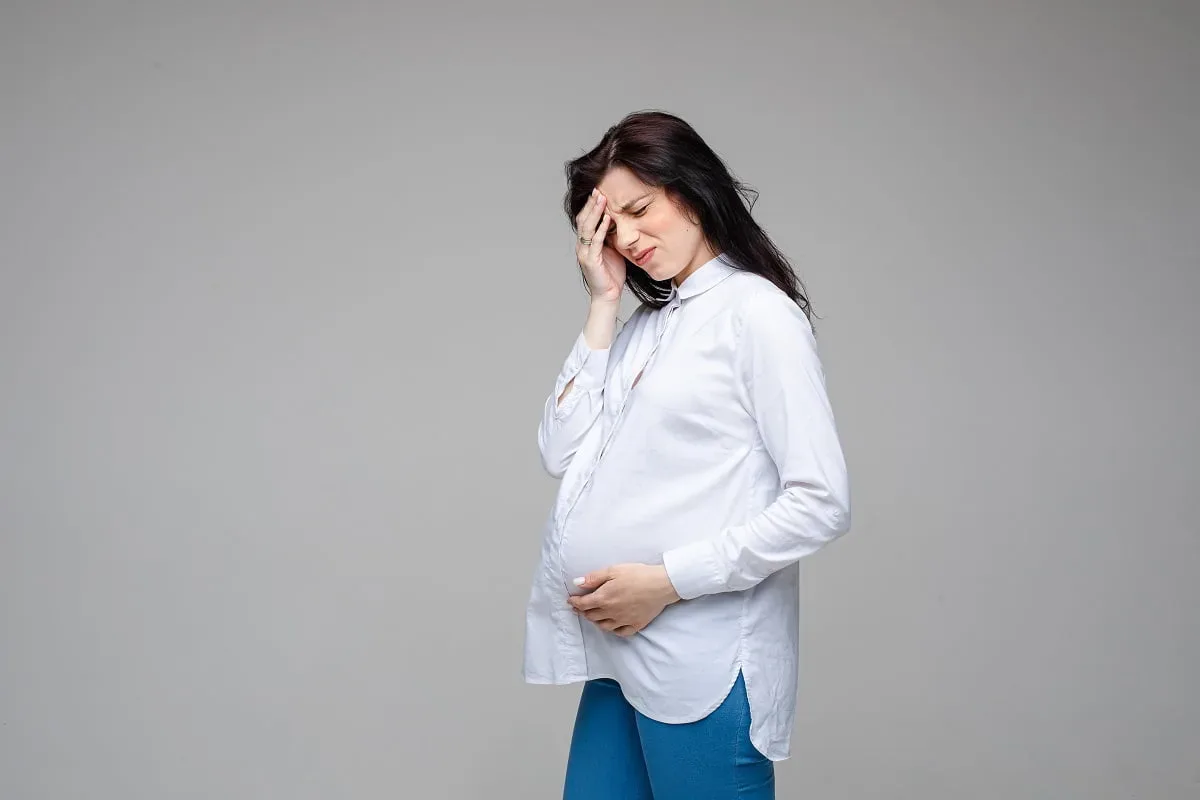
Many pregnant women affected by preeclampsia have also experienced symptoms such as headaches that do not go away and altered vision. Your doctor may also recommend urine and blood tests to check the level of protein in the urine, the level of platelets, and any abnormalities in liver enzymes.
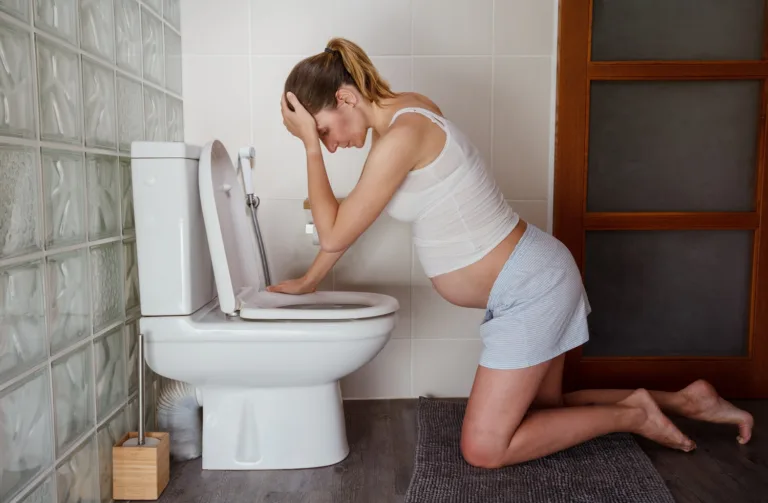
Abdominal pain, slow reflexes, little or no urine, nausea and vomiting, and dizziness are also common symptoms associated with preeclampsia. You should make sure that your blood pressure is in the 140/90 range, and any increase or decrease in these levels warrants a quick visit to the doctor. Regular blood and urine checks will keep you up to date on this.
The following symptoms are warning signs that may indicate preeclampsia:
- Difficulty breathing.
- Nausea and vomiting, especially in the 2nd or 3rd tirmester
- Transient loss of vision, extreme light sensitivity, double vision, or blurriness.
- Pain in the upper abdomen.
Who is at risk of getting preeclampsia?
Those who have had preeclampsia in their first pregnancy are more likely to develop preeclampsia in their subsequent pregnancies. The risk of developing preeclampsia is higher, depending on the severity of the condition and when it occurs during pregnancy. This could mean that if you contracted preeclampsia before the 29th week of your pregnancy, you are 40% more likely to develop preeclampsia later in your pregnancy.
Although scientific evidence is lacking, Preeclampsia has a high incidence rate among pregnant teenagers. A study suggests that a lack of prenatal care from unwanted pregnancies leaves pregnant teens vulnerable.
Preeclampsia is high among pregnant women over the age of 40 because it puts undue pressure on their bodies and can initiate underlying medical conditions.
In general, obese women with a Body Mass Index (BMI) over 30 have an increased risk of preeclampsia because obesity worsens blood pressure.
Diagnosis of Preeclampsia
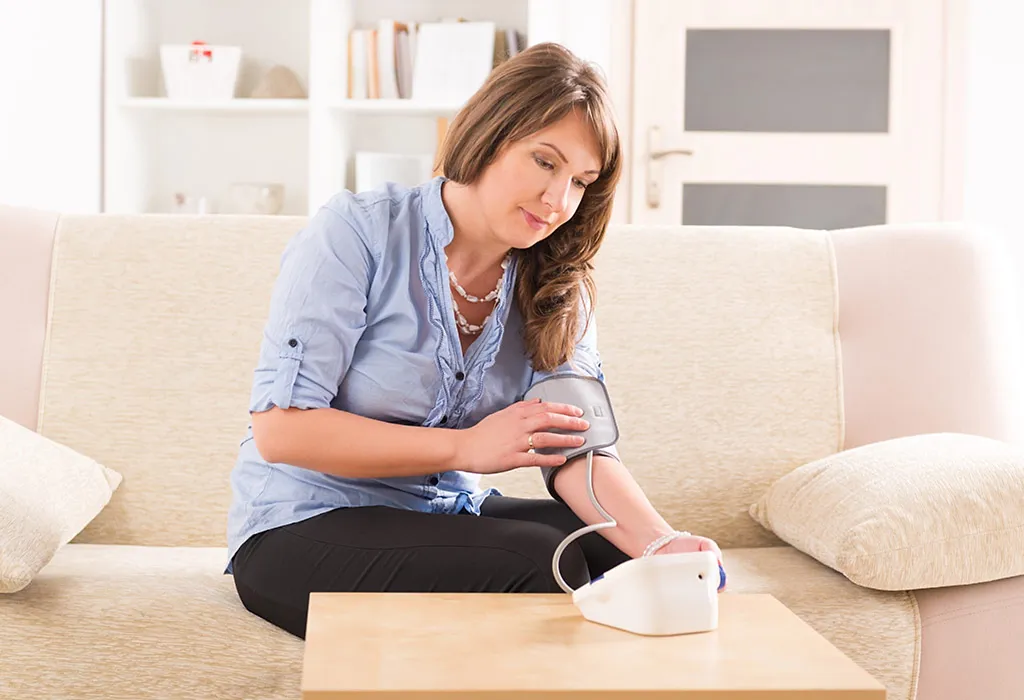
During your scheduled appointments with the doctor, your blood pressure and urine will be under intense scrutiny. High blood pressure and protein levels in the urine may indicate the presence of preeclampsia. To be diagnosed with preeclampsia, you must have:
1. Blood pressure more than 140/90 or small blood pressure value more than 90.
2. Proteinuria
Doctors are now aware that high blood pressure is a necessity for pregnant women to be diagnosed with preeclampsia.
If your doctor suspects preeclampsia, the following tests may be required:
Protein in the Urine
Your doctor will order a urine test that can detect the presence of protein in your urine sample. If this initial test is positive, you will be advised to collect urine after 24 hours so that it can be sent for testing. This test is known as the most reliable and accurate test for preeclampsia. The presence of 300 mg or more of protein in the urine is a definite sign of preeclampsia.
Monitoring Blood Pressure
If your systolic reading is above 140 or your diastolic reading is above 90, your blood pressure is higher than normal. Since blood pressure fluctuates according to the time of day, your doctor will ask you to check your blood pressure at different times and confirm if it is high. This is also a reliable pointer for the diagnosis of preeclampsia for a pregnant woman.
Protein-Creatinine Ratio
Creatinine is a waste product of the body that is filtered by the kidney along with other wastes. The Protein-to-Creatinine ratio is a urine test that checks for the presence of this waste product, and therefore the doctor can tell if the kidney functions are normal or not. This test needs a random sample for urine testing, which is better than the collection of 24 hours of urine. If your test shows the presence of 0.3 mg/dl, it can be concluded that you have preeclampsia.
Fetal Ultrasound
This test is often recommended to closely monitor your baby’s growth using the ultrasound method. In this way, the doctor can estimate the weight of the fetus and measure the level of amniotic fluid in the uterus.
Stress-Free Testing
This test includes a simple procedure that helps check the baby’s heart rate and response to movement.
Biophysical Profile
In this test, an ultrasound is performed to measure fetal breathing, movement, muscle tone, and amniotic fluid volume in the mother’s womb.
Complications of preeclampsia
Complications of preeclampsia are rare, but they can quickly develop into life-threatening problems, such as low platelet counts and the breakdown of red blood cells. Regular monitoring and prompt diagnosis can ensure that complications do not escalate and that the condition is stopped in a timely manner.
Let’s take a look at the complications that this medical condition can cause in the mother and baby if left untreated.
1. Complications for the Mother
If the mother has been diagnosed with preeclampsia, the following problems may affect the mother:
- Eclampsia: This involves an involuntary contraction of the muscles and can be defined as a seizure or contraction that pregnant women may have. It can occur after the 20th week or immediately after birth. During the seizure, which lasts less than a minute, the mother may experience repetitive movements in the arm, leg, or neck, and may also lose consciousness.
- Paralysis: When blood flow to the brain decreases due to high blood pressure, it can cause a brain hemorrhage, commonly known as a stroke. In this case, the brain is not able to receive the necessary oxygen from the blood, which leads to the death of cells and therefore brain damage or, in some cases, death.
- Blood clotting: It is medically known as Disseminated Intravascular Coagulation. In this case, the mother’s blood clotting capacity is severely affected. Here, heavy bleeding occurs because the protein level in the blood drops too low, or a number of blood clots form because the proteins become too active.
2. Complications for the Baby
If the mother is diagnosed with preeclampsia, the baby may face the following health problems:
- Smaller Size of Baby: Since the supply of oxygen and nutrients to the baby is low during preeclampsia, such babies will be smaller in size. This is especially true if preeclampsia occurs before the 37th week of pregnancy.
- Difficulty breathing in the baby: If preeclampsia is diagnosed in an advanced degree, the doctor may decide to deliver the baby earlier. This can lead to breathing difficulties in the baby because the lungs are not fully developed.
- Stillborn Baby: In some cases, the baby may be stillborn due to premature birth.
Earlier in this article, we talked a little bit about HELLP syndrome; Let’s take a look at that too.
What is HELLP Syndrome?
HELLP syndrome is a rare blood clotting and liver disorder that is a severe version of gestational eclampsia. It most likely occurs after birth, but cases have been seen after 20 weeks and sometimes before 20 weeks. The acronym HELLP represents each of the conditions:
- H is for hemolysis, during which the red blood cells in the bloodstream are broken down.
- EL stands for High Liver enzymes, which is a sign of damage to the liver.
- LP is for Low Platelet count, which is responsible for blood clotting.
Once diagnosed, treatment for preeclampsia should be given immediately. Read on to find out more.
Treatment of Preeclampsia While Pregnant
If you are 37 weeks or more pregnant, labor will be induced, especially when the cervix is well dilated. If the doctor thinks that you or your baby will not be able to withstand the pressures of a normal birth, he or she may prefer a cesarean section.
You may be asked to stay in the hospital for regular monitoring for the treatment of severe Preeclampsia. A preeclampsia specialist may be assigned to you to provide you with specialized care and help manage the condition. You will be given medication to lower blood pressure along with an intravenous infusion of magnesium sulfate to help prevent seizures.
What Happens If Preeclampsia Develops During or After Childbirth?
If you are diagnosed with preeclampsia during or after childbirth, monitoring your condition will be a high priority. If your blood pressure rises or you have seizures, you will need to stay in the hospital for a few more days to avoid further complications that may develop. Magnesium sulfate will be given for up to 24 hours after delivery to prevent seizures. If you go home, you will need to give feedback by having blood pressure checks for at least a week.
Effects of Preeclampsia on Future Pregnancy
Preeclampsia or toxemia during pregnancy is a serious condition. However, the mother continues to live with the effects and the risk remains. It can take at least six weeks for the effects of preeclampsia on your organs to improve after birth. Studies have also shown an increased risk of hypertension, Type 2 Diabetes, stroke, and heart disease. Toxemia in pregnancy affects the baby by limiting the supply of nutrients to the baby, which can alter the baby’s constitution and metabolism. This can lead to coronary heart disease and related disorders such as diabetes, stroke, and hypertension.
How to Prevent Preeclampsia?
Getting prenatal care and never missing an appointment is key to preventing preeclampsia. You will need to keep a close eye on your blood pressure and the protein content in your urine to keep toxemia health problems at bay. As soon as the first signs of preeclampsia appear, alert your doctor so that treatment can be started without any delay. Depending on the severity of the condition, the number of weeks and the condition of the baby, your doctor will decide on the type of treatment. This will include numerous urine tests and blood pressure monitoring.
Preeclampsia is one of the leading causes of maternal mortality and also causes fetal deaths. However, close monitoring of the health status of women with a history of high blood pressure and hypertension can be helpful in managing preeclampsia.