11th week of pregnancy
By the 11th week of pregnancy, you may have a little baby bump – or your clothes may be getting a little tight. Whatever the case, very soon it will be hard to continue in your regular pants.
By week 14 you will have your first trimester screening, which consists of a nuchal translucency scan (NTS), which measures the thickness of the back of your baby’s neck, and a blood test (2-test). Taken together, these results provide information about your baby’s risk of certain chromosomal abnormalities or conditions.
You are in the middle of your first trimester and the signs of pregnancy are still making themselves felt strongly with the intensity of the hCG hormone. Tender breasts, morning sickness and endless tiredness are just some of them. Fortunately, these discomforts will ease as you approach the second trimester.
11 weeks pregnant is a great time to start planning a babymoon (prenatal vacation) with your partner. You may want to consider doing this during the second trimester, as this is when your energy will be at its highest, and your desire to travel may decrease during the third trimester. So this week, start looking for a destination to take your mind off things (it could be a vacation at home!). If you’re looking for another distraction, dream about your 11-week-old baby – he or she is growing rapidly every day and doing well in your belly.
11th Week of Pregnancy Your Baby Development
Although you can’t see it yet, your baby is moving very fluidly and gracefully at 11 weeks. The skin of the 11-week-old fetus is still transparent, but it is becoming opaque. The fingers and toes are no longer webbed and the face is becoming more defined. Tooth buds, hair follicles and nail beds are beginning to form. It can also open and close its mouth. Pretty interesting, isn’t it?
Another exciting development is that both the left and right hemispheres of his brain are beginning to develop. The left side will enable logical thinking, while the right side will help with language processing.
It will be a few more weeks before you find out the sex of your baby. But the external genitalia are beginning to take shape – the labia majora and clitoris for girls and the penis for boys. Perhaps the most exciting thing is that your doctor can hear your heartbeat using a Doppler stethoscope!
How big is an 11-week-old baby?
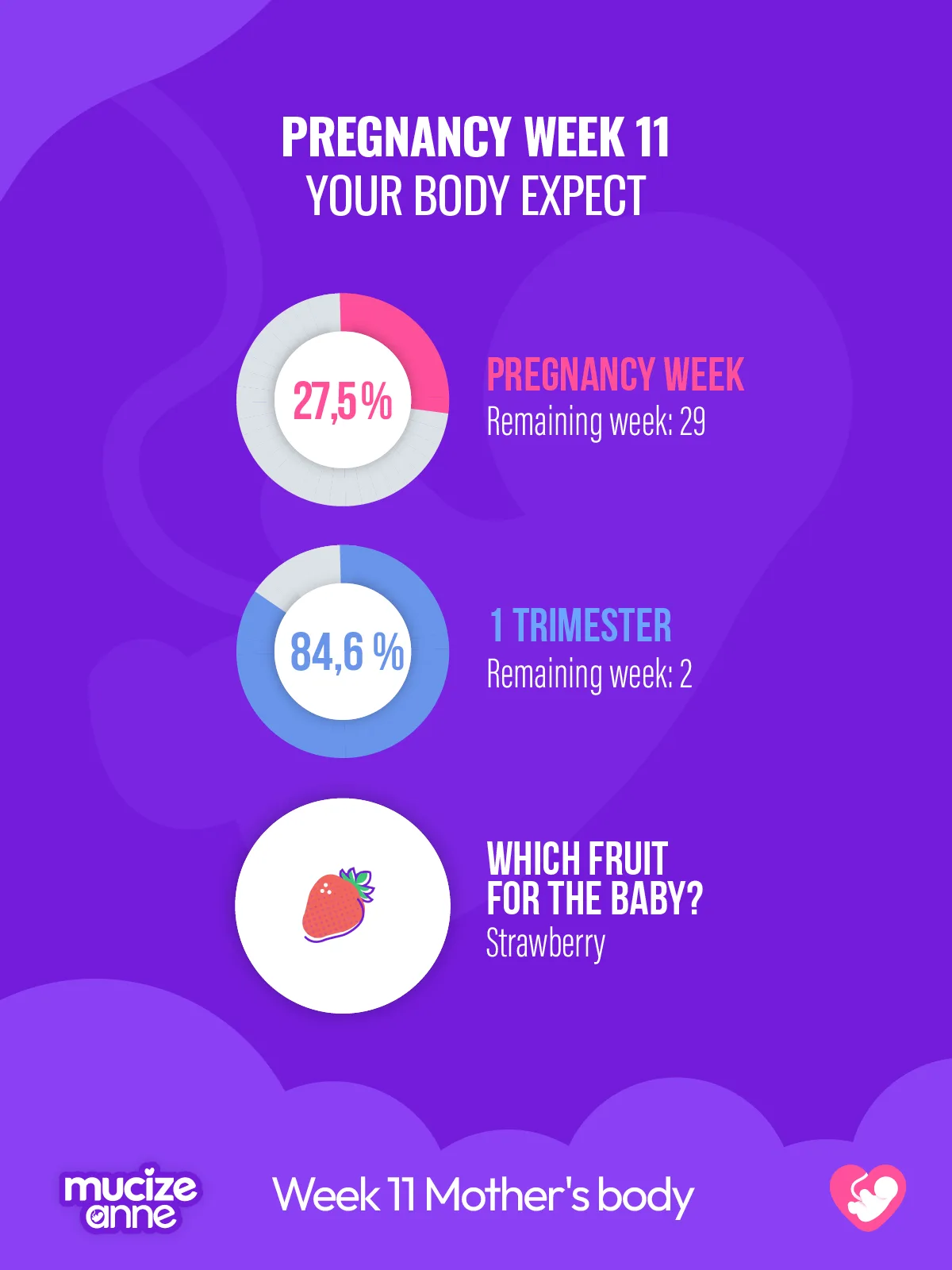
Your baby is now the size of a strawberry! The 11-week-old fetus is between 5 and 6.3 centimeters long and weighs between 9.5 and 14 grams. The body-to-height ratio is about 1:1 (strange as it may sound), but this will change over time!
How many months is the 11th week of pregnancy ?
Since pregnancy lasts 40 weeks, doctors prefer to track the process in weeks. However, if you want to calculate in months, when you are 11 weeks pregnant, you are about 2 months and 3 weeks pregnant. In three weeks the second trimester begins!
11th Week of Pregnancy Ultrasound
Between 11 and 14 weeks, a first trimester screening can be performed. This scan is a combination of a nuchal translucency ultrasound (NTS) and a blood test. At the 11-week ultrasound, your doctor measures the back of the baby’s neck. An abnormal measurement could be a sign of a chromosomal abnormality. The blood test then screens for high or low hormone levels. Both the NTS and blood test results are evaluated to determine the baby’s risk for certain chromosomal conditions. Waiting for the results can make you feel nervous.
If you are expecting twins, this ultrasound can show the umbilical cords of the two babies and whether they have one or two placentas. If the babies share the same placenta, they are probably identical twins. If there are two separate placentas, this means that the twins could be identical or fraternal twins. Identical twins who share the same placenta need to be checked more often to make sure they are both getting enough nutrients. Even in the womb, these siblings need to learn to share!
11th Week of Pregnancy Pregnancy Symptoms
Your body and mind may still be adjusting to the 11th week of pregnancy. Hormones are in full swing and you may still be feeling nauseous. But the end of the first trimester is just around the corner, so hang in there! Here are some of the symptoms you may experience this week:
Fatigue: It is normal to feel exhausted. Once you enter the second trimester, your energy will start to increase again. Until then, make sure you get plenty of rest.
Nausea You may be sick of nausea, but hang in there; it’s only a matter of time before you feel better.
Gas Stomach problems are inevitable during pregnancy. Try to avoid foods that can cause gas, especially beans, cabbage, fried foods and sweets. Drink plenty of water and eat foods rich in fiber.
Emotional Fluctuations: It is normal to feel happy one moment and unhappy the next. You can try exercises like yoga or avoid stressful situations to help you relax mentally. If you have dramatic mood swings or a history of depression or anxiety, it may be helpful to talk to your doctor.
Leg cramps Leg cramps can interrupt your sleep at night. Drinking plenty of water and stretching your legs during the day reduces the risk of cramps. Don’t forget to eat foods rich in potassium and magnesium.
Skin Darkening (Linea Nigra): One morning you may notice a dark line in the middle of your belly; this is a normal sign of pregnancy, called a “linea nigra“, caused by hormonal changes. It may take some time for this line to disappear after giving birth, especially if you are breastfeeding.
Increased Vaginal Discharge: Discharge may increase during pregnancy; this is your body’s way of eliminating bacteria. At 11 weeks, you may want to consider using thin pads to deal with this symptom more easily.
If you have twins, your symptoms may be more intense due to higher hormone levels and your weight gain may be faster. But don’t worry, these symptoms will soon subside!
11th Week of Pregnancy Mother’s Belly Image
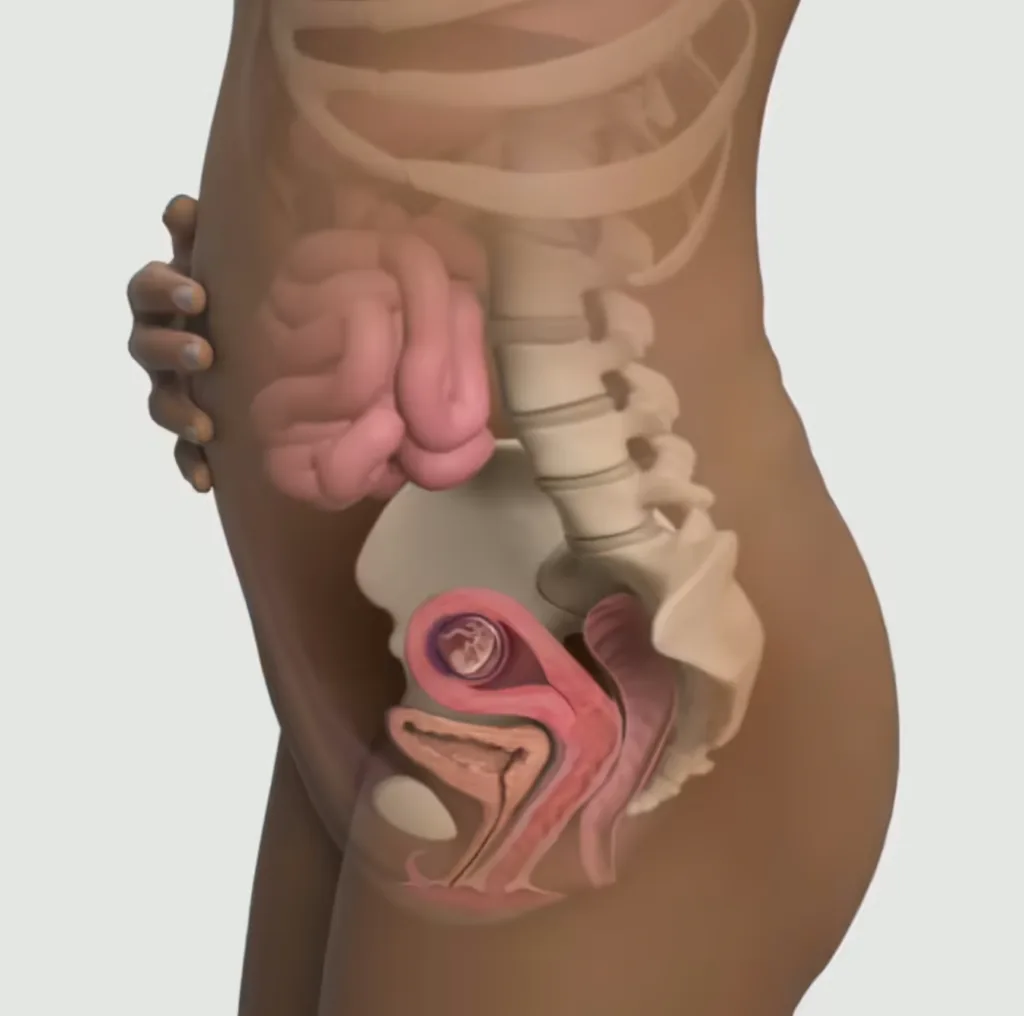
Your belly may be starting to show, or it may be due to bloating and gas. If this is your first pregnancy, your belly may not yet be visible at 11 weeks. However, if it is your second pregnancy or if you are having twins, your belly may show up earlier.
Your breasts may have grown noticeably, even if your tummy has not changed significantly. It is a good idea to buy comfortable, stretchy bras now. If you plan to breastfeed, you can buy a nursing bra now and use it during pregnancy and breastfeeding; nursing bras are designed to adapt to changing breast sizes.
With an 11-week-old fetus, you may be worried about the risk of miscarriage – welcome to motherhood! However, if you have seen or heard your baby’s heartbeat, the risk of miscarriage has decreased significantly and will be less than 1% by the second trimester.
11th Week of Pregnancy Will the Belly Grow?
Of course! Every woman’s body is different and for some, the baby belly may start to show at 11 weeks (especially if you are expecting twins or have had a previous pregnancy). The first sign of a belly is often not so much the roundness of the tummy, but the tightening of the waistline in pants and skirts. This is a great time to start shopping for comfortable clothes!
Can I Feel Baby Movements at 11 Weeks?
If you’re wondering, “Did I just feel a kick?”, it’s probably too early to feel baby movements. You will usually feel the first movements in the second trimester. Even though 11-week fetal movements are still very small, don’t worry; you will feel them soon!
Some Tips for the 11th Week of Pregnancy
Here are some things you can do during these weeks for you and your baby:
Get plenty of calcium: You need about 1000 mg of calcium in your daily diet for your baby to develop strong bones and teeth. Dairy products such as milk, yogurt and pasteurized cheese are great options, but you can also include other sources of calcium in your diet such as almonds, salmon, tofu and eggs.
Walking is one of the most ideal exercises during pregnancy as it is safe and gentle on the joints. If you are new to exercise, you can start with walking and gradually increase your pace and distance. The outdoors and movement can also help with nausea! Just remember to drink plenty of water and avoid walking in the hottest part of the day.
Eat Right to Prevent Heartburn: Gas and nausea are hard enough during pregnancy, but why add heartburn? Eating small meals and avoiding spicy and fatty foods can help reduce acid reflux. Not lying down immediately after a meal can also help digestion.
Take Care of Your Skin: Your skin may not have expanded much yet, so it’s a great time to start fighting stretch marks early! While there is no surefire way to prevent stretch marks altogether (in some cases it is a genetic factor), moisturizing regularly, drinking plenty of water and consuming skin-friendly nutrients such as vitamins C, E, B2, B3 and zinc can help.
Frequently Asked Questions for the 11th Week of Pregnancy
Can I Take Painkillers During Pregnancy?
The safest option during pregnancy is to avoid taking painkillers and antipyretics. Research shows that taking ibuprofen, especially after 20 weeks, may carry some risks. Taking ibuprofen in the first trimester can increase the risk of miscarriage and can lead to a condition called gastroschisis (when the intestines protrude through an opening in the abdominal wall). Experts recommend avoiding ibuprofen after 20 weeks because it can cause serious complications, such as problems with the baby’s lung development, high blood pressure and premature birth. For the most accurate information, you can consult your doctor, who will probably recommend the use of paracetamol (Tylenol).
What are the Natural Methods for Stress Relief and Relaxation during Pregnancy?
Taking care of yourself will be good for you and your baby. As well as getting plenty of rest, you can try some gentle exercise; long walks are a great option. Listen to calming music, read a book, spend time with a close friend and explore mind-body techniques such as yoga and meditation. Prenatal massage can also help you relax and relieve back pain. However, be sure to consult your doctor before having any massage or body therapy.
What are the Best Foods for Baby’s Development in this Period?
Eating well during pregnancy is very important for the healthy development of the baby. Try to eat at least four servings of dairy, three servings of protein, six to 11 servings of grains, two to four servings of fruit and four or more servings of vegetables every day. With a balanced diet, you can get essential nutrients to nourish your baby. For example, iodine (found in dairy products and foods such as baked potatoes), which supports the development of the nervous system, and folate (found in green leafy vegetables and legumes), which helps prevent neural tube defects, are important for your baby’s healthy development. Ask your doctor if you should take prenatal vitamin and folic acid supplements.
Is Nasal Congestion Normal During Pregnancy?
Your stuffy nose may be caused by pregnancy hormones. These hormones can dry out the lining of the nose, causing it to swell and become inflamed. Place a warm, wet washcloth on your cheeks, eyes and nose for relief. Drink more fluids, use a humidifier or steamer, or take a hot shower (extra bonus: a bath is also a great stress reliever).
Checklist for the 11th week of pregnancy
- Increase Calcium Intake: To support your baby’s bone and tooth development, make sure to include about 1000 mg of calcium in your daily diet. You can include dairy products such as milk, yogurt, cheese and alternative calcium sources such as almonds, salmon, tofu and eggs in your diet.
- Start Drinking More Water: Maintain your daily water intake at 8-12 glasses. As you approach 14 weeks, aim to increase your hydration by adding one to two more glasses. Drinking water keeps you energized and prevents many pregnancy-related ailments.
- Do gentle exercises: Stretch your legs and try to move with light exercises. Walking is one of the safest exercises during pregnancy. Taking short walks during the day will be good for both your physical and mental health.
- Pay attention to your diet: Eat small meals, avoiding spicy and fatty foods to prevent problems such as gas and heartburn. Also try to prefer foods that are easy to digest.
- Take Care of Your Skin: Moisturize your skin regularly to prevent stretch marks, even if they have not yet started to widen. Drink plenty of water and include skin-friendly nutrients such as vitamins C, E, B2, B3 and zinc in your diet to maintain skin elasticity.
- Make Time for Stress Management
: Try to reduce your stress by practicing yoga, meditation or short walks. Mental relaxation is important for your and your baby’s health during pregnancy. - Schedule your Genetic Screening Appointment: If you have not yet had your first trimester screening, which includes a nuchal translucency scan and a blood test, be sure to schedule this appointment with your doctor. These tests can provide valuable information about your baby’s health.