How to make the baby gain weight during pregnancy?
How to make the baby gain weight during pregnancy? Which foods should be consumed to make the baby gain weight during pregnancy? How to measure the size and weight of the baby during pregnancy? Continue reading our article for answers to all these questions.
From the moment you find out that you are pregnant, you need to pay attention to your diet, exercises, and lifestyle so that your baby grows and develops in a healthy way. Every mother wants to have a healthy baby, and one of the parameters that helps you know about the health of your baby is the weight of the fetus.
How to measure the baby during pregnancy?
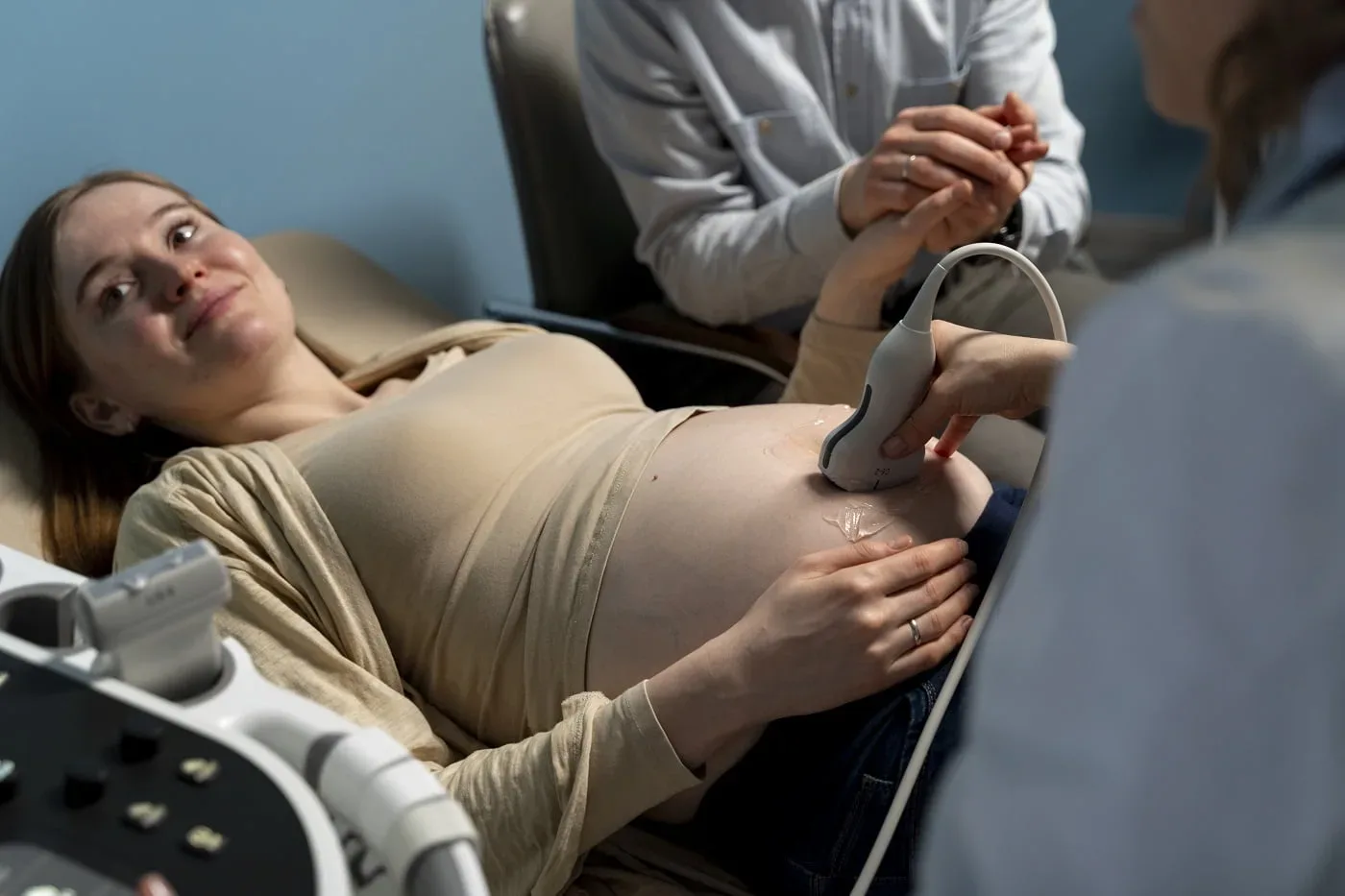
Most pregnant women will have their first ultrasound scan in the first trimester . Your doctor will take a variety of measurements to analyze fetal growth and development. Listed below are some measurements made by the doctor.
- FL or Femoral length
- HC or Head circumference
- AC or Abdominal circumference
- OFD or Occipitofrontal diameter
- BPD or Biparietal diameter
- HL or Humerus length
With the above-mentioned parameters, your doctor will determine the fetal weight and gestational age. Your doctor will also provide information about your estimated date of delivery. Although the measurements are not precise, they help to determine the general health of the fetus.
Weight of the baby according to the weeks of pregnancy
Below are the average baby weights in grams according to the weeks of pregnancy to give you an idea. Remember, every baby is different and grows differently, so keep in mind that the numbers in the list below do not represent exact values.
| Week | Weight (g) |
| 8 | 1 |
| 9 | 2 |
| 10 | 4 |
| 11 | 7 |
| 12 | 14 |
| 13 | 23 |
| 14 | 43 |
| 15 | 70 |
| 16 | 100 |
| 17 | 140 |
| 18 | 190 |
| 19 | 240 |
| 20 | 300 |
| 21 | 360 |
| 22 | 430 |
| 23 | 501 |
| 24 | 600 |
| 25 | 660 |
| 26 | 760 |
| 27 | 875 |
| 28 | 1005 |
| 29 | 1153 |
| 30 | 1319 |
| 31 | 1502 |
| 32 | 1702 |
| 33 | 1918 |
| 34 | 2146 |
| 35 | 2383 |
| 36 | 2622 |
| 37 | 2859 |
| 38 | 3083 |
| 39 | 3288 |
| 40 | 3462 |
| 41 | 3597 |
| 42 | 3685 |
How to make the baby gain weight during pregnancy?
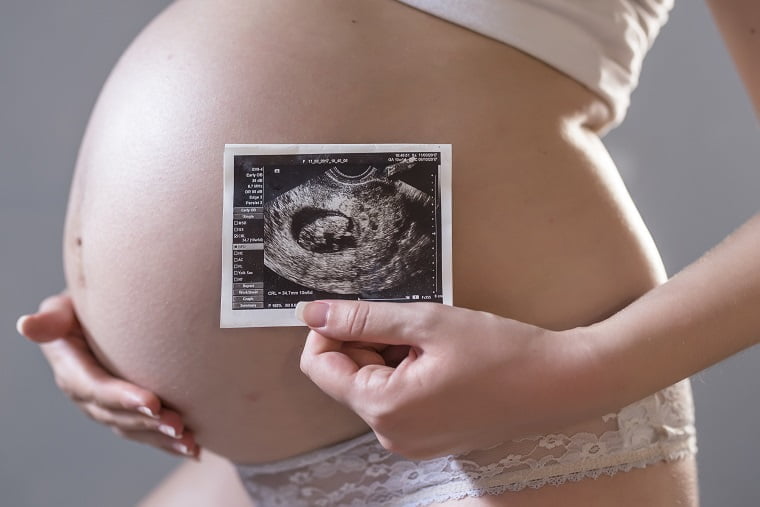
How to gain weight for the baby during pregnancy? You may be wondering. Check out the following suggestions to make the baby gain weight during pregnancy.
Healthy and Balanced Diet
Diet plays the most important role in pregnancy. If you want to increase baby weight, you should include fresh fruits, vegetables, whole grains, meat and poultry in your diet.
Nuts and Dried Fruits
It is important to include nuts and dried fruits in your diet. You can eat almonds, apricots, figs, walnuts and other nuts and dried fruits. However, it is recommended that you do not overdo it when consuming them.
Prenatal vitamins
You will be given prenatal vitamins for your baby’s proper growth and development. These vitamins also help your baby gain weight. For optimal fetal weight gain during pregnancy, you should take these vitamins regularly.
Drink plenty of water
It is very important to drink plenty of water during pregnancy. Dehydration during pregnancy can lead to some serious medical complications. You can drink fruit juices, vegetable juices, milk, buttermilk, or water to keep your body hydrated.
Rest
A pregnant woman needs plenty of rest. Overexertion or unnecessary pressure can affect fetal development and growth. Try to get at least eight hours of uninterrupted sleep to maintain your energy levels.
Stay Calm and Positive
It’s important to take care of not only your physical health, but also your mental health. Any kind of stress and anxiety can affect you and your unborn baby’s health. The resulting emotional outbursts can lead to overeating, undereating, or making the wrong food choices, all of which can affect the health of the fetus.
Medical Guidance
Your doctor will guide you if your baby does not gain enough weight. You may be asked to take additional supplements or make dietary changes to increase fetal weight.
The tips mentioned above can help your baby gain weight during pregnancy. However, it is recommended to follow your doctor’s advice in this regard.
List of foods that make the baby gain weight during pregnancy
Sweet potatoes
Sweet potatoes are a food rich in fiber, potassium, Vitamin C, Vitamin B6, iron, copper, and beta-carotene. The beta-carotene (an antioxidant) found in sweet potatoes is converted into Vitamin A by your body. Vitamin A is essential for fetal skin, bones, and eyes. Sweet potatoes increase the level of iron in the body. You can eat them pureed, baked, boiled, or fried in a little oil.
Lentils and beans
Lentils and beans are packed with iron and protein. In addition, by including beans and lentils in your diet, you get enough fiber, folate, and calcium. If you’re a vegetarian, beans will provide you with the minerals you can get from a non-vegetarian diet (meat and poultry). Beans, which are rich in zinc, are great for reducing the risk of prolonged childbirth, low birth weight babies, or preterm birth.
Orange juice
Starting your day with a glass of fresh orange juice provides you with vitamin C, potassium, and folate. Folate and folic acid are extremely important during pregnancy. By meeting your body’s daily requirements for these nutrients, you can reduce the baby’s chances of developing certain birth defects. Orange juice helps keep your overall health, metabolism, and muscle function in place.
Yogurt
Calcium, protein, B vitamins, zinc, and other bone-building nutrients are found in yogurt. As an expectant mother, your daily calcium requirement is 1000 mg and you can meet this need with yogurt. In addition to keeping your bone and dental health in place, adequate amounts of calcium in the body reduce the likelihood of premature birth or a low birth weight baby.
Green leafy vegetables
Green vegetables like spinach, kale, broccoli, and asparagus are packed with essential nutrients and antioxidants. Green leafy vegetables do wonders for a pregnant woman and her developing fetus. By eating green leafy vegetables, you can get your daily dose of calcium, potassium, vitamin A, folate, and fiber. You can eat them raw, baked, baked, or pan-fried for maximum benefits.
Salmon
Salmon is one of the best sources of omega-3 fatty acids and protein. Omega-3 fatty acids are very beneficial for a growing fetus due to the fact that they help in the development of the brain and eyes, as well as provide the mother with the necessary amount of protein. Salmon is considered safe for pregnant women because it has very low levels of mercury in it.
Egg
Eggs are a storehouse of protein, Vitamin A and Vitamin D, which is incredible for the growth and development of the baby. In fact, the protein profile of eggs is not comparable to other foods, which makes it beneficial to eat during pregnancy. Eggs are also rich in folic acids and iron, which work to strengthen the amniotic membranes and prevent birth defects and low birth weight in the fetus.
Milk
An intake of 200-500 ml of milk per day can help pregnant women increase fetal weight. Milk contains a high amount of protein and calcium, which are necessary for the growth and development of the fetus.
Hen
Chicken is a great food that helps increase fetal weight. This lean meat is rich in proteins that promote cell and muscle development in the body. In addition to proteins, chicken contains a high amount of iron, which reduces anemia in the mother and fetus.
Soybeans
Soybeans are a rich source of protein for vegetarians and can be consumed in a variety of ways. Soybeans, which are also high in iron, prevent anemia due to their high iron content.
Things to consider when trying to make the baby gain weight
Certain feeding choices can help you increase your baby’s weight in the womb. However, it is very important that you do it in a healthier way. Overdoing anything can lead to complications. These are some precautions you should take:
Stay Away from Alcohol and Smoking: You should definitely avoid alcohol and cigarette consumption during pregnancy. Both of these habits can be fatal for your developing baby and can also lead to serious medical complications.
Reduce Caffeine Intake: Consuming large amounts of coffee, tea, or carbonated beverages can negatively affect fetal health.
Avoid Fried, Sugary, or Fatty Foods: Regular intake of such food items can predispose you to obesity, which can lead to cholesterol and increases the likelihood of hypertension. It is recommended to stay away from fatty, fatty and sugary foodstuffs. Avoiding certain food categories will help you have a healthy pregnancy and will also be beneficial for your unborn baby.
Making healthy food choices during pregnancy is key to ensuring that your baby’s growth and development is on track. We have made some suggestions in the context of dietary changes that you can make to increase baby weight during pregnancy. However, consult your doctor before making any changes to your diet. With expert guidance and support, you will not only have a healthy pregnancy but also a healthy baby.
Source: LiveStrong