Herbal Tea Consumption During Pregnancy
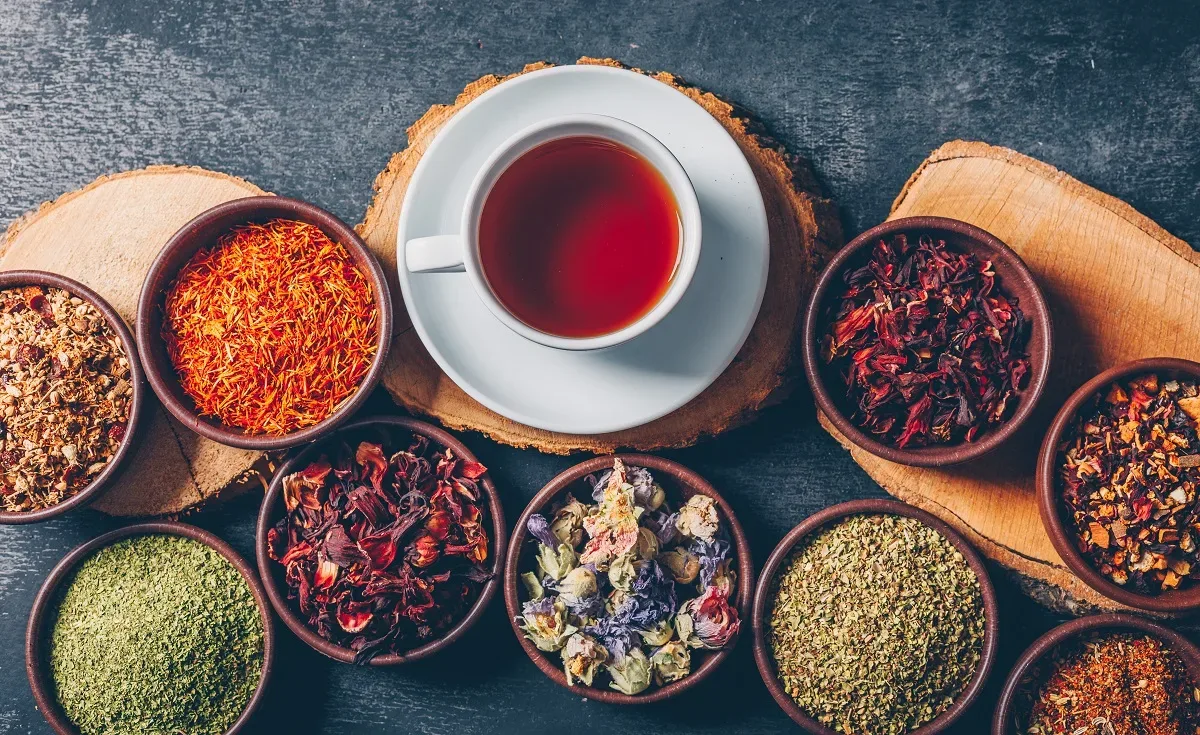
Although there are various studies on Herbal Tea Consumption during Pregnancy, a definite point has not yet been reached. This is because pregnant women do not want to risk their babies and themselves, especially for scientific studies. Since the amount of active ingredients in herbal teas is not known exactly, it is not recommended to be consumed by pregnant women.
We researched herbal teas that are frequently consumed during pregnancy and their effects on pregnancy for our miracle mothers.
Consumption of Mint Tea During Pregnancy ➖
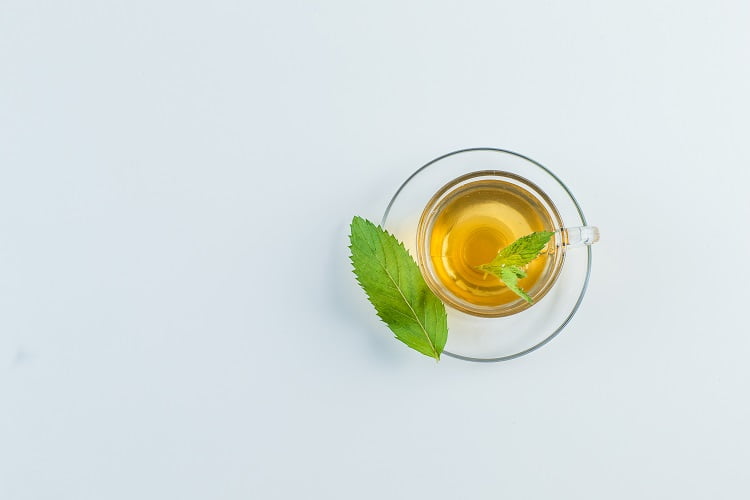
Mint tea during pregnancy is among the most consumed herbal teas. It has been noted that daily consumption of 1 – 2 cups of mint tea has very few side effects. However, according to experts, mint tea should not be consumed during the 3rd trimester of pregnancy. Does peppermint tea cause miscarriage? The answer to the question is not known for sure.
Consumption of Chamomile Tea During Pregnancy❌

It is not recommended to consume chamomile tea during pregnancy. The anti-inflammatory agents found in chamomile tea can be dangerous during pregnancy. This may also vary depending on your medical history and how much you consume. Does chamomile tea cause premature birth? The answer to the question is not yet known.
Nettle Tea Consumption During Pregnancy ❌
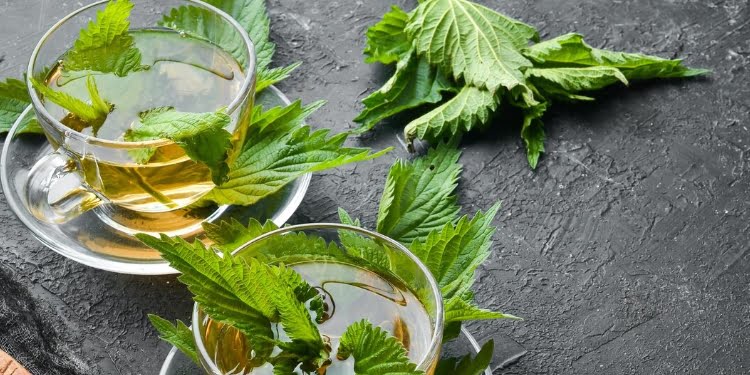
There is not much reliable evidence confirming the safety of nettle tea consumption during pregnancy. Some experts warn caution. In fact, while a 2015 study found that nettle tea is safe overall, it notes that it can affect the menstrual cycle and cause miscarriages. It is recommended not to drink nettle tea, as it can cause uterine contractions. It is not recommended to drink nettle tea, as it can trigger a miscarriage.
Ginger Tea Consumption During Pregnancy ✔️

During pregnancy, ginger tea is often used to relieve nausea . It is thought that two components in ginger, gingerols and shogaols, act on receptors in the digestive system, speeding up digestion, which can help reduce nausea. Gingerols are found in large quantities in raw ginger, while shogaols are more abundant in dried ginger.
Ginger has been shown to help relieve pain from uterine cramps, which many pregnant women experience during the first trimester.
A study in 67 pregnant women found that women who consumed 1000 mg of ginger capsules daily for 4 days experienced significantly less nausea and vomiting than women who took anti-nausea medication. Source
Ginger tea is thought to relieve women with morning sickness, especially in the first trimester. While there are no studies examining the effectiveness of ginger tea in pregnancy, research on ginger supplements suggests that it helps reduce episodes of nausea and vomiting.
Consumption of Red Raspberry Leaf Tea During Pregnancy ✔️

Red raspberry leaf tea contains many nutrients. Red raspberry leaf contains B vitamins, vitamin C, and a number of minerals and vitamins, including potassium, magnesium, zinc, phosphorus, and iron. However, it is a good antioxidant.
Red raspberry leaves act as antioxidants in your body, helping to protect cells from damage. It also contains small amounts of ellagic acid , which has been shown to neutralize carcinogens and even contribute to the self-destruction of cancer cells.
Red raspberry leaf tea is a tea that is often consumed by pregnant women. Red raspberry leaf tea is recommended for the second and third trimesters of pregnancy. Some women also use this tea against nausea and vomiting in the first trimester.
Red raspberry leaf tea can help strengthen your uterine walls, shorten labor time, and reduce the use of birth interventions (incisions).
For more information, read our article on the benefits of red raspberry leaf tea during pregnancy .
What Are Plants That Are Harmful During Pregnancy? ❌
It is known that some herbs can cause contractions and cause pregnancy to end in miscarriage. Plants that should be avoided during pregnancy can be listed as follows:
- Anise
- Hibiscus
- Nettle
- Fennel
- Licorice
- Rosemary, sage,
- Yarrow
- Basil
- Rosemary
- Blueberry
- St. John’s wort,
- Valerian
- Son grass
Does Green Tea Reduce the Effect of Folic Acid?
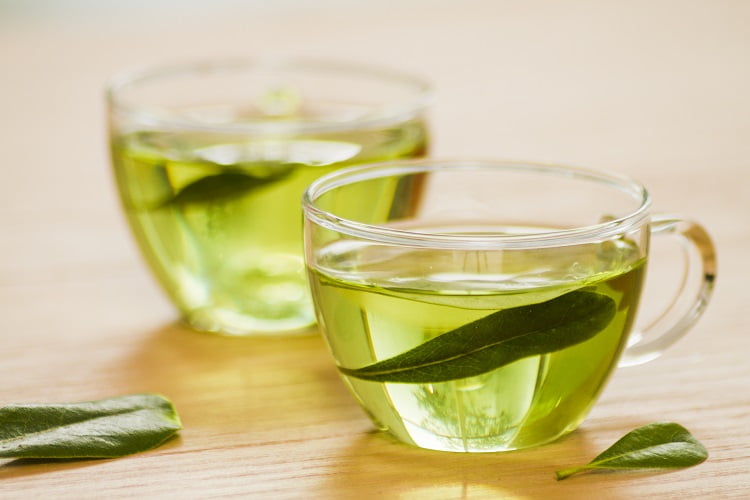
There are various scientific studies that reveal that green tea reduces the effectiveness of folite acid. It is known that the substance called catechin in green tea reduces the effect of folic acid by disrupting its bioactivity.
If you want to read detailed information about the effect of green tea on pregnancy, you can refer to this article .
What You Need to Know About Herbal Tea Consumption During Pregnancy
- You should know that not all herbal teas are the same, and there are teas that doctors tell their pregnant patients to stay away from.
- You should stay away from herbal teas that are sold to lose weight or diet during pregnancy or can be used as a laxative. Also, you should stay away from teas that contain any nutritional supplements. This is because supplements can cause complications or interactions with other medications.
- Keep in mind that even herbal teas labeled as “pregnancy teas” haven’t been done enough to suggest that they’re completely safe during pregnancy.
- Keep in mind that the research on the side effects of herbal teas on pregnancy is not robust.
- Be sure to consult your doctor before trying new types of tea.