Sleep in the early stages of pregnancy
It is quite natural to have a deterioration in sleep quality in the early stages of pregnancy. Due to increased hormones in early pregnancy, you may feel sleepy during the day and then unable to sleep at night. In addition, you may find it difficult to get comfortable and may need to go to the bathroom every hour. Daytime naps are highly recommended to deal with first trimester insomnia!
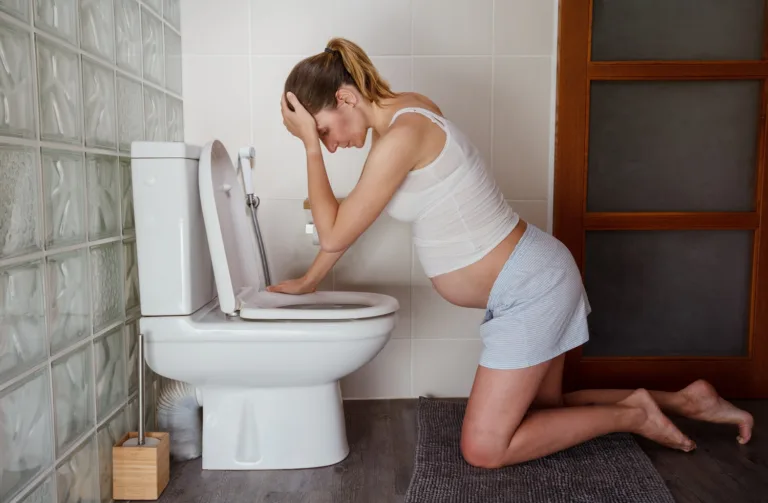
Almost all pregnant women have trouble sleeping at some point. And when you’re pregnant, it’s only natural to have trouble sleeping due to nausea, heartburn , and the constant need to urinate. For many women, sleeping becomes more difficult as pregnancy progresses and new challenges (such as restless leg syndrome, leg cramps , and a growing tummy) arise.
In this article, we will talk about some tips that will allow you to sleep better in the early stages of pregnancy.
Sleep in the early stages of pregnancy (1. Trimester)
Take a nap whenever you get a chance
In the early days of your pregnancy, you will start to feel very sleepy during the day. High levels of progesterone trigger this sudden craving for naps. Progesterone is a hormone that helps regulate a woman’s reproductive cycle. It also makes you sleepy.
This hormone can make a normal day at work seem as challenging as running a marathon. You may feel so worn out that you think you’re going to get the flu.
Progesterone, oddly enough, can disrupt your sleep at night and lead to even more fatigue during the day. The only thing you can do is relax as much as possible and take a quick nap whenever you can. Meanwhile, researchers say that daytime naps probably won’t affect your nighttime sleep quality.
You’re having a hard time finding the comfortable position
It can make it difficult to find a comfortable sleeping position, especially if you are used to sleeping on your stomach due to your newly sensitive breasts.
In the first trimester, try to sleep lying on your side. Sleeping on your side improves the flow of blood and nutrients to your fetus and uterus and helps your body get rid of waste and fluids. It is generally recommended that sleeping on the left side is best off, but there is no conclusive evidence that it is better than on the right; Both are good.
You may also feel uncomfortable in bed in general if you’re dealing with other ailments that may be new to you right now, such as headaches and stomach upsets, as your digestive system slows down.

Constant need to pee
When you are pregnant, the amount of blood in your body increases significantly. As a result, the extra fluid is processed by your kidneys and collected in your bladder. At the same time, your growing uterus begins to put pressure on your bladder, forcing you to go to the bathroom more often than you think.
If you’re tired of bathroom clutter, drink plenty of fluids throughout the day, but cut back in the afternoon and evening. Avoid coffee and tea later in the day. And be sure to stop by the bathroom just before you go to bed.
You’re not alone
If you feel caught in a cycle of wakefulness at night and fatigue during the day, you’re not alone. 78 percent of women believe that their sleep during pregnancy is more disrupted than at any other time in their lives. More than half of pregnant women take at least one nap during the workweek, and 60 percent take at least one nap on the weekend. The bottom line: Expect your first trimester to be exhausting, and listen to your body when it tells you to slow down or rest.
Read more: What is the best sleeping position during pregnancy?