The benefits of legumes during pregnancy
Eating legumes during pregnancy allows you to get the vitamins and minerals you need. In addition, since legumes are rich in fiber, they are good for problems that are often seen during pregnancy, such as constipation and hemorrhoids.
What are the benefits of legumes during pregnancy?
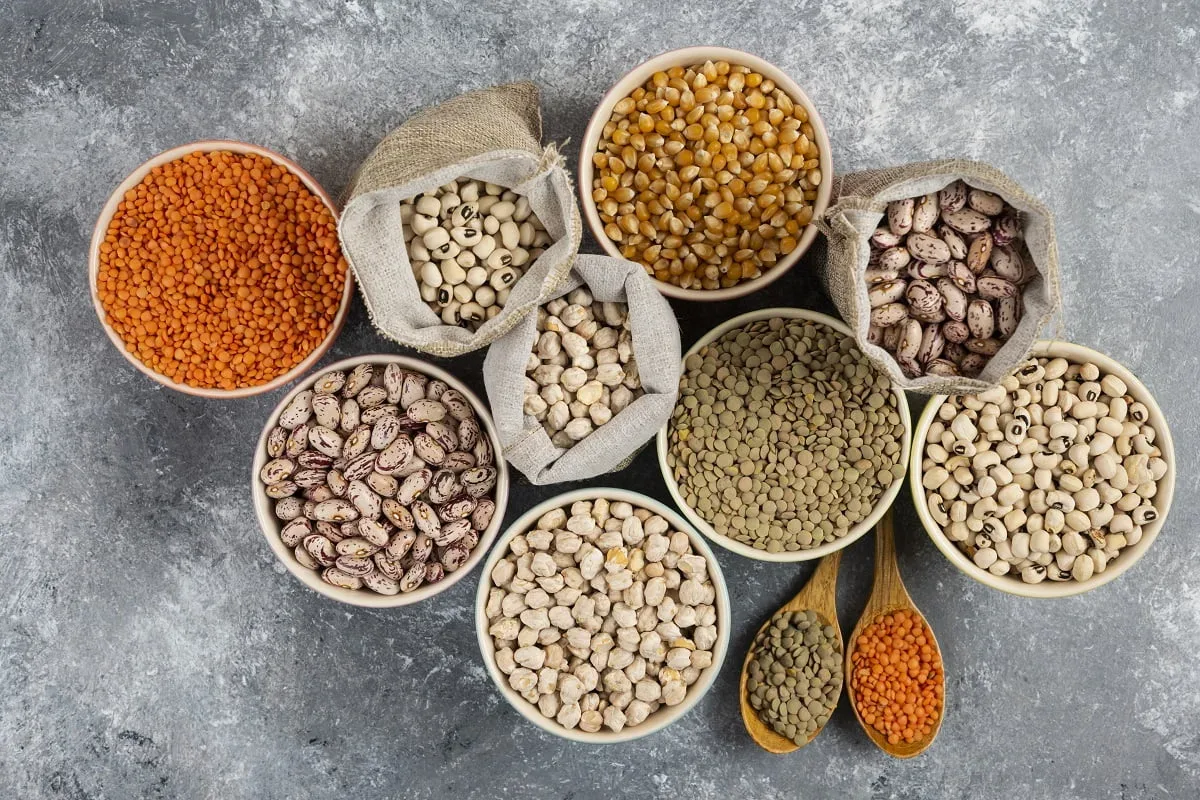
It is recommended to consume legumes such as beans, peas, soybeans, peanuts and lentils while pregnant.
Legumes are an excellent source of folate , potassium, iron, magnesium, and essential fatty acids. They also contain compounds called phytochemicals. Researchers are studying phytochemicals for their ability to prevent heart disease, cancer, and diabetes.
The benefits of legumes during pregnancy also include soluble fiber, which has been associated with lower levels of total cholesterol and LDL (“bad”) cholesterol, and possibly a reduced risk of colon cancer. Fiber can also help prevent constipation and hemorrhoids, which are common problems during pregnancy.
Most legumes are high in protein , so they’re a good substitute for meat if you’re following a vegan or vegetarian pregnancy diet. They’re cholesterol-free and generally low in fat – and they’re inexpensive too!
Amounts of protein contained in legumes per serving
Here are some good options for legumes and the amounts of protein each serving contains:
- 1/4 cup roasted soybeans: 10g
- 1/2 cup cooked soybeans: 8g
- 1/2 cup raw regular tofu prepared with calcium sulfate: 10 g
- 1/4 cup unsalted roasted peanuts: 9g
- 1/2 cup cooked soybeans: 9g
- 1/4 cup (2 ounces) tempeh (Fermented soybeans): 8 g
- 1/2 cup cooked peas: 8 g
- 1/2 cup cooked lentils: 9g
- 1/2 cup cooked black beans: 8g
- 1/2 cup cooked kidney beans: 8g
- 1 cup of plain soy milk: 7 g
- 1/2 cup cooked chickpeas (chickpeas): 8 g
- 1/2 cup cooked lima beans: 7 g
- 1/2 cup cooked peas: 4 g
Although peas are legumes, they do not contain a high percentage of protein. That’s why they count as vegetables for food planning purposes.
Easy ways to add legumes to your meals
- Add legumes to stews and stir-fries.
- Make a soup of beans, peas or lentils.
- Grab a burrito or taco with beans or pinto beans.
- Puree the beans to make spreads and sauces.
- Add peas or beans to salads.
- Snack on soy nuts or a small amount of peanuts.
- Drink a glass of soy milk as a snack.
- When cooking, opt for legumes like tofu or fermented soybeans instead of meat.
- Try new and different types of legumes: For example, try adzuki beans, anasazi beans, black-eyed peas, or broad beans.
- If you’re short on time, opt for quick-cooking legumes like lentils, or buy canned or frozen legumes. (The nutritional content is about the same.)